 11
11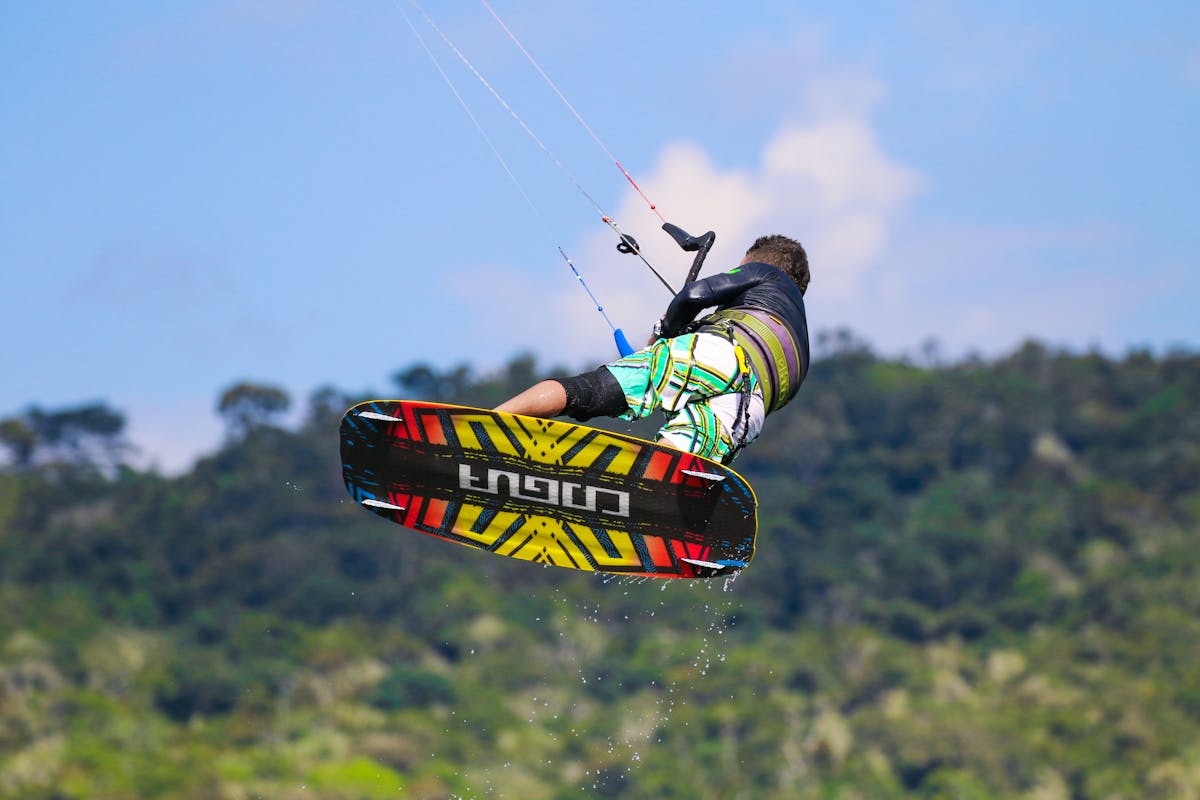
Adventure travel is no longer limited to extreme sports or remote expeditions. Instead, it has evolved into one of the fastest-growing travel styles worldwide. Today, more people choose nature-based experiences over luxury vacations. As a result, trekking in mountains, exploring dense forests, and enjoying outdoor excursions have become mainstream travel goals.
Moreover, this shift reflects a deeper change in traveler mindset. People now seek meaningful experiences that improve mental clarity and physical well-being. For example, a simple hiking trip in the hills can feel more rewarding than a luxury resort stay. In addition, social media and travel platforms have made adventure destinations more accessible and inspiring.
This guide on tips for adventure helps beginners and enthusiasts plan smarter journeys. It explains how to prepare step by step, choose the right gear, and manage risks effectively. Furthermore, it covers budgeting strategies that make outdoor travel more accessible for everyone. You will also learn how to select the right type of adventure based on your fitness level and interest.
In addition, the guide highlights how technology has changed adventure planning. Today, apps for navigation, weather updates, and safety alerts make travel more secure than ever before. However, despite these tools, many travelers still make common mistakes such as poor packing or ignoring weather conditions.
Therefore, this resource not only focuses on planning but also on awareness and prevention. Whether you are preparing for your first hiking trip or improving your outdoor travel skills, you will find practical insights throughout. Ultimately, it aims to help you travel smarter, safer, and with more confidence.
Next, we will explore what adventure travel really means and why it has become such a powerful global trend.
Adventure travel goes far beyond traditional sightseeing. In simple terms, it refers to travel experiences that involve physical activity, exploration, and direct interaction with nature. Unlike regular tourism, which often focuses on comfort and relaxation, adventure travel emphasizes movement, challenge, and discovery. As a result, travelers engage more deeply with their surroundings.
Moreover, adventure travel meaning can be understood as a blend of exploration and physical effort in natural environments. It includes activities like trekking, camping, rafting, wildlife exploration, and mountain hiking. In contrast to standard vacations, it pushes individuals slightly out of their comfort zones while still remaining enjoyable and rewarding.
Adventure tourism basics also highlight two main categories of experiences. First, there are soft adventures, which are less intense and more beginner-friendly. These include camping under the stars, light hiking on marked trails, and kayaking on calm waters. Because of their low risk, they attract families and first-time travelers. For example, a weekend nature camp near a lake is a soft adventure that requires minimal training.
On the other hand, hard adventures demand higher skill, endurance, and preparation. These include mountaineering, scuba diving, and long-distance trekking in remote regions. Since these activities involve greater physical and environmental challenges, they require proper training and equipment. For instance, climbing high-altitude peaks requires acclimatization and technical gear.
Globally, interest in outdoor excursions has grown rapidly over the past decade. In fact, studies show that adventure tourism is growing at a faster rate than traditional leisure travel. This rise is driven by increased awareness of health, wellness, and experiential travel. Additionally, post-pandemic travel trends have accelerated the demand for open-air and nature-based travel experiences.
Furthermore, people are shifting their preferences from material possessions to meaningful experiences. Instead of spending on luxury goods, many now invest in travel memories. This shift is strongly influenced by social media, which showcases unique nature travel experiences and inspires exploration.
In addition, adventure travel offers significant psychological and physical benefits. It reduces stress, improves mood, and enhances focus. For example, spending time in forests or mountains has been linked to lower cortisol levels and improved mental clarity. Physically, activities like hiking and trekking improve stamina, strength, and overall fitness.
Therefore, adventure travel is not just a recreational activity. Instead, it is a holistic experience that supports both mental and physical well-being while connecting people deeply with nature.
Effective adventure planning is the foundation of every successful outdoor journey. Without proper preparation, even a simple trip can become stressful or unsafe. Therefore, a structured approach helps you reduce risks, control costs, and enjoy the experience fully.
To begin with, every trip planning guide should start with clear goals. You need to decide what kind of adventure you want. For example, are you planning a relaxing hiking trip or a challenging multi-day trek? Once the goal is clear, the rest of the planning becomes easier and more focused.
First and foremost, select a destination that matches your experience level. Beginners should start with well-marked trails and short hiking routes. For instance, a 5–10 km nature trail is ideal for first-time hikers. On the other hand, experienced trekkers can explore high-altitude routes or remote wilderness areas.
Moreover, understanding difficulty levels is crucial in outdoor travel planning. Trails are often categorized as easy, moderate, or difficult. Choosing the right level ensures safety and prevents exhaustion or injury.
Next, always check weather conditions before finalizing your trip. Weather plays a major role in outdoor safety and enjoyment. For example, monsoon seasons may make trails slippery, while extreme winters can block mountain paths.
In addition, using digital tools like weather forecasting apps helps you plan better. Platforms such as AccuWeather or regional meteorological services provide accurate updates. As a result, you can avoid unexpected risks and plan safer travel dates.
After selecting the destination, create a flexible itinerary. Unlike traditional travel, adventure trips often face unpredictable changes. Therefore, your plan should allow room for delays, weather shifts, or physical fatigue.
For example, instead of fixing strict hourly schedules, set general time windows for activities. This approach ensures a smoother experience and reduces pressure during the journey.
Modern hiking trip preparation has become easier due to technology. Tools like Google Maps, AllTrails, and Gaia GPS help you understand routes, elevation, and difficulty levels. Additionally, offline maps are useful in remote areas where network signals are weak.
Moreover, safety tools such as emergency locator apps and compass-based navigation systems add an extra layer of security.
Backup planning is essential in outdoor adventures. For instance, if a trail is closed due to weather, you should have an alternative route or nearby activity option. Similarly, always identify safe shelters or nearby towns in case of emergencies.
This step is often ignored, but it significantly improves safety and confidence during travel.
Before starting your journey, ensure you have:
A beginner planning a weekend hiking trip usually selects a short, well-marked trail with basic gear and returns the same day. In contrast, an experienced trekker planning a multi-day expedition prepares detailed route maps, carries survival gear, and accounts for altitude changes and weather variations.
Both approaches differ, but the core principle remains the same—preparation defines success.
Ultimately, smart planning ensures safer, smoother, and more enjoyable outdoor experiences, which leads us to the next important aspect of adventure travel: essential gear and packing strategies.
Having the right equipment plays a major role in every successful adventure. In fact, proper hiking equipment not only improves comfort but also ensures safety in unpredictable outdoor conditions. Therefore, building a smart adventure gear checklist is essential before every trip.
To begin with, your packing strategy should always focus on balance. You need to carry enough supplies for safety and survival, but you should also avoid unnecessary weight. As a result, thoughtful packing becomes one of the most important parts of outdoor travel essentials.
First, focus on clothing because weather can change quickly during outdoor trips. A layered system works best in most environments.
For example:
Moreover, choosing quick-dry fabrics improves comfort during long hiking trips. In addition, neutral and breathable clothing reduces fatigue during movement.
Next, essential gear forms the backbone of your packing list. Without it, even short trips can become risky or uncomfortable.
Key items include:
Furthermore, always choose gear based on destination and climate. For instance, high-altitude trekking requires insulated sleeping bags, while forest camping may need waterproof tents.
Safety should never be compromised in outdoor travel. Therefore, every traveler must carry basic survival tools.
Important items include:
In addition, carrying whistle signals or emergency markers can help in rescue situations. These small tools often make a big difference in critical moments.
Modern adventure travel relies heavily on navigation support. However, traditional tools still remain useful in remote areas.
For example:
Moreover, combining both digital and manual tools improves reliability during long journeys.
One of the most important rules in adventure travel is to avoid overpacking. Many beginners carry extra items “just in case,” which increases fatigue and reduces mobility. Instead, focus on multi-purpose gear that serves more than one function.
Additionally, maintaining proper weight balance in your backpack is crucial. Heavier items should stay close to your back and centered. As a result, you reduce strain and improve posture during long hikes.
Ultimately, smart packing is about efficiency, not excess. When your gear is well-planned, your entire adventure becomes safer and more enjoyable, leading naturally into the importance of safety and risk management in outdoor travel.
Safety is the most critical part of any outdoor journey. In fact, most incidents in adventure travel happen not because of the activity itself, but due to poor preparation. Therefore, applying strong travel safety tips and understanding risks in advance is essential for every traveler.
To begin with, effective risk management in travel starts before the journey even begins. You need to study the destination, understand terrain conditions, and evaluate possible hazards. For example, steep trails, sudden weather changes, or wildlife encounters can all impact safety if ignored.
First, always research your route and environment. This step helps you prepare mentally and physically. In addition, check if the area has known risks such as landslides, forest animals, or extreme temperatures.
Moreover, use reliable sources like local tourism boards or hiking forums to gather real-time information. As a result, you reduce uncertainty and improve decision-making during your trip.
Next, emergency readiness is a key part of any outdoor safety guide. You should always carry basic emergency communication tools.
For example:
In addition, share your travel plan with a friend or family member. This simple step can significantly improve rescue response time in emergencies.
Furthermore, travel insurance is often overlooked but highly important. It covers unexpected situations like injuries, trip cancellations, or medical emergencies. Especially during high-risk activities such as trekking or climbing, insurance provides financial protection and peace of mind.
Outdoor environments often include unpredictable wildlife and difficult terrain. Therefore, maintaining distance from animals and avoiding risky shortcuts is essential.
For instance, never feed wild animals, and always follow marked trails. Similarly, use proper footwear to prevent slips on rocky or muddy paths. These precautions reduce unnecessary risks during hiking trips.
Traveling in groups is generally safer than traveling alone. Groups provide shared support, better decision-making, and quicker emergency response. However, solo travel is still possible if proper precautions are taken.
For solo travelers, GPS tracking, regular check-ins, and emergency contacts become even more important. As a result, safety depends heavily on communication and preparation.
In high-altitude areas, altitude sickness is a common issue. Symptoms include headache, nausea, and dizziness. To prevent this, ascend slowly and allow your body to adjust.
Additionally, staying hydrated is crucial. Drinking water regularly helps maintain oxygen flow and reduces fatigue. Avoid alcohol and excessive caffeine during such trips.
Many hiking accidents occur due to simple mistakes such as:
These errors are preventable with basic awareness and planning. Therefore, preparation remains the strongest safety tool in any adventure.
Ultimately, when safety is prioritized, outdoor travel becomes not only enjoyable but also truly rewarding, leading into the next section on choosing the best adventure destinations and experiences.
Adventure travel becomes truly exciting when you explore different landscapes and environments. Each destination offers a unique experience, and therefore, understanding terrain types is essential for smart planning. In fact, choosing the right adventure destinations directly impacts safety, enjoyment, and preparation level.
To begin with, every outdoor excursions guide highlights four major types of adventure environments: mountains, forests, deserts, and water-based regions. Each of these offers a completely different style of travel experience.
First, mountains are the most popular choice for adventure lovers. They offer breathtaking views, challenging trails, and a strong sense of achievement. For example, trekking in high-altitude regions requires endurance and proper acclimatization.
Moreover, mountain trekking destinations often include uneven terrain, cold weather, and unpredictable conditions. As a result, travelers must prepare with layered clothing, strong hiking boots, and energy-based food supplies. In addition, altitude awareness becomes essential for safety.
Next, forest and jungle regions offer rich biodiversity and immersive nature experiences. These nature travel spots are ideal for wildlife photography, bird watching, and guided safaris.
However, jungle environments also come with risks such as insects, dense vegetation, and wild animals. Therefore, guided tours are highly recommended. Additionally, eco-friendly behavior, such as avoiding littering and maintaining silence, improves both safety and experience.
Desert adventures provide a completely different type of thrill. Wide landscapes, extreme temperatures, and star-filled skies make them unique. For instance, desert camping involves setting up tents in open sandy areas with minimal shelter.
Furthermore, preparation is crucial because daytime heat and nighttime cold can be extreme. Travelers should carry sufficient water, sun protection, and lightweight breathable clothing. As a result, desert travel becomes both challenging and memorable.
In contrast, water-based adventures include activities like rafting, kayaking, and snorkeling. These experiences combine excitement with physical activity and are often suitable for both beginners and experts.
Moreover, safety gear such as life jackets and helmets is mandatory. River currents and weather conditions must also be checked in advance. Therefore, proper instruction and supervision are essential for beginners.
Choosing the right season is equally important. For example, mountains are best visited in summer or early autumn, while deserts are more comfortable in winter. Similarly, river rafting is ideal during post-monsoon seasons when water levels are stable.
In addition, seasonal planning helps avoid extreme weather conditions and improves overall travel safety.
Different terrains require different preparation methods. For instance:
As a result, understanding terrain-specific requirements ensures better planning and reduces risk.
Ultimately, exploring diverse landscapes enhances the adventure experience, and it naturally leads into developing strong hiking skills and beginner-friendly trekking strategies.
Hiking is one of the most accessible and rewarding forms of adventure travel. It requires minimal equipment, yet it offers maximum connection with nature. In fact, many people begin their adventure journey with simple hiking trips before moving to more advanced trekking experiences.
To start with, a strong beginner hiking guide focuses on understanding the basics. Hiking simply means walking on natural trails, often in forests, hills, or mountains. However, even though it looks simple, it still requires preparation, fitness, and awareness of surroundings.
First, every trail is categorized based on difficulty. This helps hikers choose routes according to their experience.
For example:
Moreover, selecting the right trail is essential for safety and enjoyment. Beginners should always start with easy routes before progressing further.
Next, physical preparation plays a major role in mountain hiking preparation. Even short hikes can become exhausting without basic fitness.
Therefore, you should include:
In addition, regular practice improves endurance and reduces the risk of injury during longer hikes.
Staying hydrated is crucial during hiking. Water helps regulate body temperature and prevents fatigue. As a result, hikers should drink small amounts of water frequently instead of waiting for thirst.
Furthermore, energy management is equally important. Eating light snacks like nuts, fruits, or energy bars helps maintain stamina throughout the journey. Avoid heavy meals before or during hikes, as they slow down movement.
For beginners, a few simple strategies can improve the experience significantly:
Moreover, beginners should always hike with a partner or group for added safety.
Responsible hiking is just as important as physical preparation. Therefore, always follow trail etiquette.
For example:
These small actions help preserve nature for future hikers.
One of the most important rules in hiking is progression. Instead of starting with long or difficult routes, begin with short trails. Gradually increase distance and difficulty as your confidence and stamina improve.
Ultimately, hiking builds both physical strength and mental clarity, making it the perfect starting point for anyone entering the world of adventure travel.
Planning an effective adventure travel budget is essential if you want to enjoy outdoor experiences without financial stress. Fortunately, adventure travel does not have to be expensive. With smart choices, you can explore nature, enjoy cheap hiking trips, and still stay safe and comfortable.
To begin with, every budget should include four main cost categories: gear, transport, food, and permits. Once you understand this breakdown, managing expenses becomes much easier.
First, gear costs often take the largest share. Items like trekking shoes, backpacks, and tents can be expensive upfront. However, they last for multiple trips, which makes them cost-effective in the long run.
Next, transport costs depend on destination distance and accessibility. For example, nearby trails reduce travel expenses significantly. In addition, shared rides or group transport can lower costs further.
Food expenses are usually flexible. Carrying your own snacks like nuts, energy bars, and fruits helps reduce spending. Meanwhile, permits are required in some trekking or forest areas, so they should always be included in planning.
One of the best travel cost saving tips is group travel. When you travel with friends or other hikers, you can split transport, accommodation, and even guide costs. As a result, the overall budget becomes much lighter.
Moreover, traveling during the off-season helps you save money. Prices for transport and accommodation are usually lower, and popular trails are less crowded.
Another important decision is whether to rent or buy equipment. For beginners, renting gear is often more practical and budget-friendly. However, frequent travelers may benefit from buying their own equipment for long-term savings.
Therefore, evaluate your travel frequency before making a decision. This approach helps balance quality and cost effectively.
Before your trip, ensure you have:
Ultimately, smart budgeting ensures that budget outdoor travel remains enjoyable, safe, and sustainable without compromising the quality of your adventure experience.
Adventure travel is evolving quickly, and several new adventure travel trends are shaping how people explore nature today. One of the biggest shifts is the rise of eco-tourism. Travelers now prefer experiences that protect the environment and support local communities. As a result, sustainable adventure tourism is becoming a core priority rather than an optional choice.
To begin with, eco-friendly travel practices are gaining strong attention. Many travelers now avoid plastic use, follow “leave no trace” principles, and choose responsible tour operators. In addition, local and offbeat destinations are becoming more popular because they reduce overcrowding and environmental pressure on famous tourist spots.
Technology is also transforming the future of outdoor tourism. For example, GPS navigation apps, weather tracking tools, and AI-based travel planners help travelers make safer and smarter decisions. Moreover, real-time alerts and offline maps improve safety in remote areas.
Another growing trend is the rise of solo and micro-adventures. Instead of long expensive trips, many people now prefer short weekend hikes or nearby nature escapes. These experiences are more flexible and budget-friendly, while still offering meaningful outdoor exposure.
Ultimately, the future of adventure travel is moving toward sustainability, personalization, and technology-driven safety.
Adventure travel offers one of the most fulfilling ways to explore the world while building resilience, confidence, and a deeper connection with nature. With the right preparation, thoughtful planning, and strong safety awareness, anyone can enjoy rewarding outdoor experiences—from simple hiking trips to challenging outdoor excursions.
The key lies in applying practical tips for adventure, choosing suitable gear, and understanding risks before you begin. Moreover, when you plan according to your skill level, your journey becomes not only safer but also far more enjoyable.
As adventure tourism continues to grow, travelers who stay informed and adaptable will consistently have better experiences. So, start small, prepare wisely, and gradually push your limits. The outdoors is full of opportunities waiting to be explored—your next adventure is closer than you think.
For beginners, the best approach is to start simple and stay safe. First, choose easy and well-marked trails. Next, carry only essential gear to avoid unnecessary weight. Moreover, always research your destination before you travel. Most importantly, prioritize safety over difficulty, even if the trail looks exciting or popular.
Preparation starts with physical training. For example, light cardio exercises and walking practice improve stamina. In addition, select beginner-friendly trails to build confidence. Furthermore, pack light but smart, focusing on essentials like water, snacks, and basic safety tools. Finally, maintain proper hydration and nutrition during the hike for better endurance.
Hiking is generally shorter, easier, and done on marked trails. In contrast, trekking involves longer journeys across rough and sometimes remote terrain. Therefore, trekking often requires more planning, equipment, and physical endurance, while hiking is more beginner-friendly and flexible.
Adventure travel can be affordable if planned properly. For instance, choosing local destinations reduces transport costs. Moreover, renting gear instead of buying it helps save money. In addition, traveling in groups allows cost sharing for food, transport, and accommodation, making the trip more budget-friendly.
Outdoor travel includes certain risks such as sudden weather changes, physical injuries, navigation challenges, and wildlife encounters. However, most of these risks can be reduced with proper planning. For example, using maps, checking weather forecasts, and carrying safety equipment significantly improves overall travel safety.




naturally like your web site however you need to take a look at the spelling on several of your posts. A number of them are rife with spelling problems and I find it very bothersome to tell the truth on the other hand I will surely come again again.
There is definately a lot to find out about this subject. I like all the points you made
Thank you for your kind words
Nice post. I learn something totally new and challenging on websites
Thank ypu for your kind words.
I appreciate you sharing this blog post. Thanks Again. Cool.
I really like reading through a post that can make men and women think. Also, thank you for allowing me to comment!
You’re so awesome! I don’t believe I have read a single thing like that before. So great to find someone with some original thoughts on this topic. Really.. thank you for starting this up. This website is something that is needed on the internet, someone with a little originality!
Awesome! Its genuinely remarkable post, I have got much clear idea regarding from this post
I do not even understand how I ended up here, but I assumed this publish used to be great