 11
11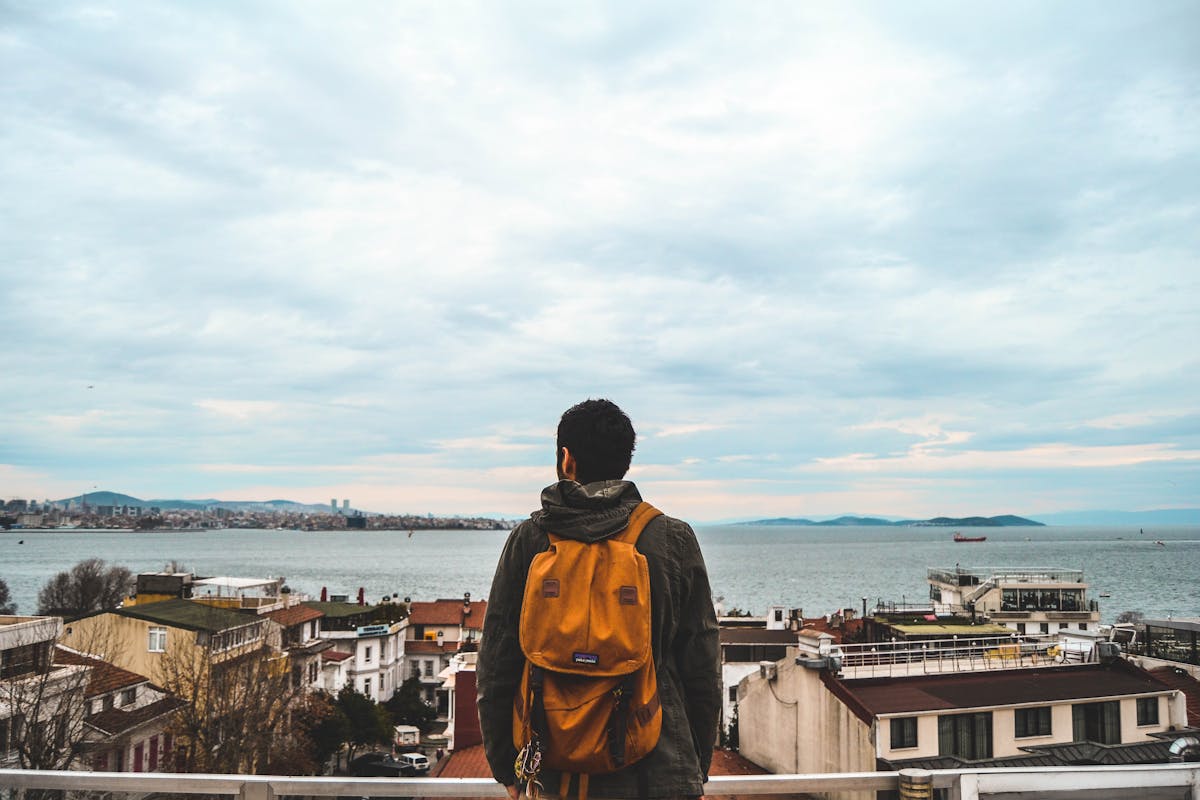
Solo travel is no longer a niche idea reserved for adventurous backpackers. Instead, it has quickly become one of the fastest-growing travel styles across the world. Today, people choose independent travel for many reasons. For some, it offers freedom and flexibility. For others, it becomes a path toward self-discovery and confidence building. Moreover, many travelers simply want a break from routine and daily pressure.
However, planning your first trip alone can feel intimidating. You might wonder, “Is it safe?”, “Where should I go first?”, or even “How do I manage everything by myself?” These concerns are completely normal. In fact, most first-time travelers feel the same way before they begin.
That’s exactly where this guide becomes useful. It simplifies the entire process step by step so you don’t feel lost. Additionally, it focuses on practical solo travel tips that you can actually use while planning your journey. Instead of overwhelming you with theory, it gives clear direction from the start.
In this beginner-friendly guide, you will learn how to choose the right destination, plan a realistic budget, and stay safe during your trip. Along with that, you will also understand how to pack smartly and use helpful tools that make self-guided trips easier than ever. Furthermore, we will also cover common challenges solo travelers face and how to handle them with confidence.
As a result, you will build a strong foundation for independent travel without unnecessary confusion. More importantly, you will feel prepared instead of anxious before your journey begins. Solo travel is not about being perfect; it is about being prepared and open to experience.
By the end of this guide, you will have a clear, step-by-step roadmap that helps you plan your first solo trip with confidence, safety, and excitement. So, let’s move forward and start building your travel plan the right way.
Solo travel growth has increased significantly in recent years, especially after the global pandemic. As a result, more people now prefer independent travel over traditional group trips. This shift is not random. Instead, it reflects deeper lifestyle changes, work flexibility, and evolving travel mindsets.
One major reason behind this independent travel trend is the rise of remote work. Since many professionals can now work from anywhere, they are choosing to travel alone while maintaining their careers. In addition, younger generations like Millennials and Gen Z are prioritizing experiences over material luxury. Therefore, they are more open to exploring the world on their own terms.
Psychologically, solo travel also offers a strong sense of freedom. Travelers do not need to compromise on plans, schedules, or destinations. Moreover, they can move at their own pace, which reduces stress and increases enjoyment. This flexibility often leads to deeper self-reflection and personal growth.
According to recent travel industry insights, solo bookings have increased by nearly 30%–40% in the last few years in several global markets. Furthermore, travel platforms report a steady rise in solo female travelers and digital nomads choosing long-term independent journeys. These solo travel statistics clearly show a growing shift in behavior.
Another important factor is the influence of social media travel creators. Platforms like Instagram and YouTube have made solo journeys look more accessible and inspiring. As a result, many first-time travelers feel encouraged to try it themselves.
To understand the difference clearly, consider this comparison:
Additionally, solo travelers often report stronger confidence and decision-making skills after their trips. On the other hand, group travel focuses more on shared experiences and convenience.
Ultimately, people are choosing solo travel because it aligns better with modern lifestyles. It offers freedom, growth, and meaningful experiences that traditional travel often cannot match.
Before you begin your journey, understanding your solo traveler mindset is very important. Many beginners feel excited, but at the same time, fear often holds them back. This fear of traveling alone is completely normal. In fact, most experienced solo travelers once had the same doubts.
Common fears include getting lost in a new place, feeling lonely, or handling emergencies alone. However, these concerns usually reduce once you start planning properly. Moreover, confidence for solo travel grows with small steps, not sudden perfection.
To assess your readiness, you don’t need to be fearless. Instead, you need to be willing to learn, adapt, and make decisions on your own. For example, if you can handle unexpected changes in daily life, you already have a strong foundation for solo travel. Additionally, being open to new experiences plays a key role in building confidence.
Over time, solo travel helps you develop emotional strength. You begin to trust your instincts more. Furthermore, you become comfortable making decisions without external approval. This shift is one of the biggest emotional benefits of solo journeys.
To help you reflect, here is a simple readiness checklist:
If you answered “yes” to most of these, you are already on the right track.
For example, a first-time traveler may initially hesitate to eat alone or ask for directions. However, after a few days on the road, the same person often feels confident and independent. This mindset shift is very common in solo travel experiences.
Ultimately, solo travel is not about being perfect or fearless. Instead, it is about building confidence step by step and learning to enjoy your own company.
Choosing the right place is one of the most important steps in planning your first journey alone. The destination you select can either make your experience smooth or overwhelming. Therefore, beginners should always focus on best destinations for solo travel that offer safety, comfort, and easy navigation.
To start, consider a few key factors. First, safety should be your top priority. Next, look at connectivity, such as transport options and internet access. Additionally, check the cost of living, especially if you are traveling on a budget. Language also matters because destinations with widely spoken English or familiar communication systems reduce stress significantly.
For beginners, safe travel countries with strong tourism infrastructure are ideal. For example, within India, places like Goa, Rishikesh, or Jaipur are great beginner solo travel destinations. They are well-connected, affordable, and full of travel-friendly services. Internationally, countries like Thailand, Vietnam, or Portugal are popular because they are known for easy self-guided trips and supportive travel environments.
Moreover, good infrastructure makes solo travel much easier. Things like reliable public transport, clear signage, and tourist-friendly systems reduce confusion. As a result, you can focus more on experience rather than logistics.
It is also important to avoid destinations that feel too overwhelming for your first trip. For instance, extremely remote areas or places with complex transportation systems may increase stress levels. Instead, choose locations that balance familiarity with light adventure.
Here’s a simple comparison to help you decide:
| Safe & Beginner-Friendly | More Adventurous |
| Goa, Jaipur, Rishikesh | Ladakh, Spiti Valley |
| Thailand, Vietnam | Morocco desert regions |
| Portugal, Malaysia | Iceland remote areas |
For example, a first-time solo traveler might choose Goa for 4 days. The itinerary can include beach time, local cafes, and short sightseeing trips. On the other hand, a more adventurous destination like Ladakh may require longer planning and experience.
Ultimately, your goal should be to start simple. Once you gain confidence, you can slowly explore more complex and adventurous destinations with ease.
Proper budget planning plays a key role in making your trip smooth and stress-free. When it comes to independent travel expenses, beginners often underestimate the real cost. However, with the right approach and smart solo travel budget tips, you can easily manage your trip without financial pressure.
First, understand the major cost categories. These usually include flights, accommodation, food, local transport, and activities. Among these, accommodation and flights take the biggest share. Additionally, food and daily transport may seem small, but they add up quickly over multiple days.
Solo travel can sometimes feel more expensive than group travel because there is no cost sharing. For example, hotel rooms or taxis are not split among travelers. However, solo travel also gives you control over your spending. As a result, you can choose budget stays, local food, and flexible transport options to reduce costs.
Moreover, beginners often miss hidden expenses. These may include entry fees, SIM cards, luggage charges, or emergency purchases. Therefore, budget travel planning should always include a buffer amount.
A smart strategy is to keep an emergency fund. Ideally, you should reserve at least 10–20% of your total budget for unexpected situations. This ensures you stay stress-free even if plans change.
Here is a simple daily budget template for beginners:
Additionally, using travel apps can significantly reduce costs. Platforms like Skyscanner, Booking.com, or local transport apps often provide deals and discounts. Furthermore, booking in advance usually helps you get better prices.
Another useful tip is to stay flexible with your plans. For instance, shifting travel dates by a day or choosing weekdays instead of weekends can lower costs.
In conclusion, a well-planned budget not only saves money but also makes your solo travel experience more enjoyable and worry-free.
Safety is one of the most important parts of planning a trip alone. However, solo traveler safety is not about fear—it is about preparation and awareness. When you follow the right travel safety tips, you can explore confidently and enjoy your journey without unnecessary stress.
Before your trip, start with basic preparation. Share your travel plan with a trusted family member or friend. Additionally, keep digital and physical copies of important documents like ID, tickets, and hotel bookings. This simple step can save you in unexpected situations.
Accommodation plays a major role in safe solo travel practices. Always choose well-reviewed stays in safe neighborhoods. Moreover, check if the property has 24/7 reception, secure locks, and verified guest reviews. For example, many solo travelers prefer staying in hostels or hotels with good ratings for security and location.
Digital safety is equally important. Avoid sharing your live location publicly on social media. Furthermore, use secure Wi-Fi or mobile data instead of unknown public networks. Apps like Google Maps offline mode and emergency contact sharing features can be extremely helpful during emergencies.
Local awareness is another key factor. Learn basic information about your destination, such as nearby hospitals, police stations, and transport options. In addition, understanding local customs helps you avoid uncomfortable situations and shows respect for the culture.
Transportation safety should never be ignored. Always prefer registered taxis or trusted ride apps. Also, avoid traveling alone late at night in unfamiliar areas whenever possible.
Here is a quick safety checklist:
Do’s and Don’ts:
Do’s:
Don’ts:
For example, if you ever lose your phone or face confusion in a new city, stay calm and head to a safe public place like a hotel or café. Then, use backup contacts or printed documents to recover your information.
Ultimately, women solo travel safety and general safety practices both rely on awareness, smart decisions, and preparation rather than fear.
Packing wisely can make your journey smooth, comfortable, and stress-free. When it comes to a solo travel packing list, the key principle is simple: less is more. Instead of overpacking, focus on essentials that support mobility and convenience during your trip.
A minimalist packing strategy helps you move freely without carrying unnecessary weight. Moreover, it reduces confusion and makes travel more enjoyable. For first-time travelers, this is especially important because managing luggage alone can become tiring if overpacked.
Start by separating essentials from non-essentials. Essentials include documents, basic clothing, toiletries, chargers, and medications. On the other hand, non-essentials like extra shoes or heavy gadgets should be avoided unless absolutely needed. Additionally, always choose multi-purpose items. For example, a lightweight jacket can work for both warmth and style.
Weather-based packing also plays a major role. Before you travel, always check the climate of your destination. For instance, if you are going to a warm place, pack breathable clothes. Similarly, for colder regions, layering works better than carrying bulky items.
Here is a simple packing checklist for travel essentials for solo travelers:
For a 3–5 day trip, your backpack setup should stay compact and organized. Ideally, use one main backpack and one small day bag. Keep frequently used items like phone, wallet, and water bottle easily accessible. In addition, roll your clothes instead of folding them to save space.
For example, a 3-day solo trip might include 2–3 outfits, one pair of shoes, and minimal accessories. This approach not only reduces weight but also improves travel efficiency.
Ultimately, smart packing is about balance. When you pack light and thoughtfully, your focus shifts from managing luggage to enjoying your independent travel experience.
When you start planning self-guided trips, your itinerary becomes your roadmap. However, unlike group travel, solo journeys work best when they stay flexible. That is why solo travel itinerary planning should focus on balance, not strict schedules.
A structured itinerary means every hour is planned in advance. While this can feel organized, it often becomes stressful if delays happen. On the other hand, a flexible travel schedule allows you to adjust plans based on your energy, weather, or interest. For beginners, flexibility is always the smarter choice.
When planning your independent trip planning, avoid overloading your day with too many activities. Instead, focus on 2–3 main experiences per day. Additionally, leave enough buffer time between activities. This helps you avoid rushing and gives space for unexpected discoveries, which are often the best part of solo travel.
A good rule is to balance sightseeing and rest. For example, if you plan a busy morning exploring a city, keep your afternoon light with café visits or short walks. Moreover, listening to your body is important. Solo travel is not a race; it is an experience.
You can also use a simple time-blocking method to organize your day:
Here is a sample 3-day solo itinerary:
Day 1: Arrival + nearby area exploration + local dinner
Day 2: Major attractions + guided tour + café break
Day 3: Shopping or nature visit + relaxation + return preparation
Additionally, always keep one or two “open slots” in your itinerary. These are flexible time periods where you can decide what to do based on mood or local recommendations.
For example, many solo travelers discover hidden cafés or local markets simply because they had free time in their schedule. This is one of the biggest advantages of independent travel.
Ultimately, the goal of itinerary planning is not control—it is comfort. When you plan smartly but stay flexible, your journey becomes smoother, more enjoyable, and far less stressful.
Technology has made solo travel much simpler and more accessible than ever before. With the right solo travel apps, you can reduce confusion, save time, and make better decisions on the go. In fact, these tools often remove the biggest fear beginners face—uncertainty.
Navigation is the first area where apps help a lot. Navigation apps for travelers like Google Maps allow you to find routes, nearby places, and public transport easily. Additionally, offline map features are very useful when internet access is weak. This ensures you never feel lost, even in unfamiliar areas.
Next, booking apps simplify planning. Travel platforms help you compare flights, hotels, and transport options in seconds. As a result, travel planning tools reduce both cost and effort. You can quickly find budget stays or last-minute deals without stress.
Safety apps are equally important for solo travelers. Apps with location sharing, emergency alerts, or check-in features allow you to stay connected with family or friends. Moreover, they add an extra layer of security, especially in new destinations.
Translation apps also play a key role. When you travel to places with different languages, these tools help you communicate easily. For example, you can translate menus, signs, or even basic conversations in real time.
Here is a simple categorized list:
Must-Have Apps:
Optional but Helpful Apps:
For example, a solo traveler in a new city can use Google Maps to navigate public transport, a booking app to find a last-minute hotel, and a translation app to order food confidently.
Ultimately, these tools reduce uncertainty and make independent travel more comfortable. When used correctly, they act like a digital travel assistant in your pocket.
Every journey comes with challenges, and solo travel is no exception. However, understanding solo travel challenges in advance helps you handle them with confidence instead of stress. Most issues are normal and become easier with experience.
One of the most common concerns is loneliness in travel. When you are alone for long periods, you may feel disconnected. However, this usually changes quickly once you start interacting with locals or other travelers. For example, many solo travelers meet new friends in hostels, cafes, or guided tours. As a result, short conversations often turn into meaningful connections.
Another issue is decision fatigue. Since you are responsible for every choice—where to eat, what to see, how to move—it can feel overwhelming. To manage this, limit your daily decisions. For instance, pre-plan only 2–3 main activities and keep the rest flexible. This reduces mental pressure and keeps your energy balanced.
Navigation problems can also happen, especially in unfamiliar cities. However, using offline maps and asking locals politely can solve most issues. Additionally, marking key locations in advance helps avoid confusion.
Unexpected travel disruptions are another reality. Flights may get delayed, or plans may change suddenly. Instead of stressing, always keep backup options. Moreover, maintaining an emergency buffer in your plan helps you adjust smoothly.
Here are quick solutions for common challenges:
For example, if a train gets delayed, a solo traveler can use that time to explore nearby cafes or attractions instead of panicking. This mindset shift is key to problem solving during travel.
Ultimately, most difficulties are temporary. With each experience, your confidence grows, and challenges become easier to manage.
The future of solo travel is closely tied to how work, technology, and lifestyle choices are evolving. Today, travel is no longer limited to vacations. Instead, it is becoming a flexible part of life, especially with the rise of remote work and digital freedom.
One major driver of independent travel growth is the digital nomad lifestyle. Since many professionals can now work remotely, they are choosing to travel while working. As a result, cities across the world are becoming long-term stays rather than short visits. This shift is making solo mobility more common and socially accepted.
Another strong trend is the rise of solo female travel. More women are traveling independently than ever before, supported by better safety awareness, travel communities, and improved infrastructure. Additionally, this movement is encouraging more personalized and confident travel choices.
Technology is also transforming the way people travel. AI-powered tools now help with itinerary planning, hotel suggestions, and even real-time travel updates. Moreover, travel trends show a clear shift toward highly personalized experiences instead of fixed group packages. Travelers now want unique journeys designed around their interests, not generic tours.
Social media continues to play a major role as well. Platforms like Instagram and YouTube inspire people to explore new destinations alone. Furthermore, remote job opportunities are making long-term solo travel more realistic than ever before.
Looking ahead 5–10 years, we can expect:
Ultimately, solo travel is becoming more mainstream and accessible. Instead of being an alternative, it is turning into a preferred way of exploring the world.
Yes, solo travel can be safe for beginners if you follow basic precautions. For example, choose well-reviewed accommodations, avoid risky areas at night, and always keep emergency contacts handy. Moreover, proper planning and awareness greatly improve solo traveler safety. Many first-time travelers feel nervous initially, but confidence grows quickly once the journey begins.
2. What are the best solo travel tips for first-time travelers?
The best solo travel tips include starting with a safe destination, keeping your itinerary flexible, and packing light. Additionally, use travel apps for navigation and bookings to reduce confusion. Most importantly, avoid overplanning your day so you can enjoy spontaneous experiences during your trip.
3. How do I start planning a solo trip?
Start with simple steps. First, choose beginner-friendly destinations. Next, set a realistic budget and book your essentials like flights and stays. Then, plan a flexible itinerary instead of a strict schedule. Finally, prepare safety measures and pack only necessary items for easy movement during independent travel.
4. Which countries are best for independent travel?
Some of the best destinations for independent travel include Thailand, Vietnam, Portugal, and Japan. These places offer strong tourism infrastructure, easy transport, and friendly environments for beginners. Additionally, within India, Goa, Jaipur, and Rishikesh are great starting points for self-guided trips.
5. How do I deal with loneliness while traveling alone?
Loneliness is normal during solo travel, especially at the beginning. However, you can manage it by staying socially active. For instance, join group tours, talk to locals, or stay in social hostels. Moreover, simple activities like journaling or exploring cafés help you stay engaged and comfortable during your journey.
Solo travel is more than just visiting new places—it is about discovering your independence, building confidence, and experiencing the world on your own terms. With the right solo travel tips, practical planning, and a flexible mindset, your first journey can become one of the most rewarding experiences of your life.
From selecting the right destination to managing your budget and staying safe, every step plays a role in shaping your growth as an independent traveler. Moreover, each decision you make helps you become more confident and self-reliant. Remember, perfection is not the goal—progress and experience matter far more.
If you’ve been thinking about starting your first solo trip, now is the best time to begin. Start small, plan wisely, and take that first step. The world is more accessible than it seems, and your journey begins the moment you decide to go.



I truly appreciate your technique of writing a blog. I added it to my bookmark site list and will
This is my first time pay a quick visit at here and i am really happy to read everthing at one place
This was beautiful Admin. Thank you for your reflections.
I really like reading through a post that can make men and women think. Also, thank you for allowing me to comment!
There is definately a lot to find out about this subject. I like all the points you made