 11
11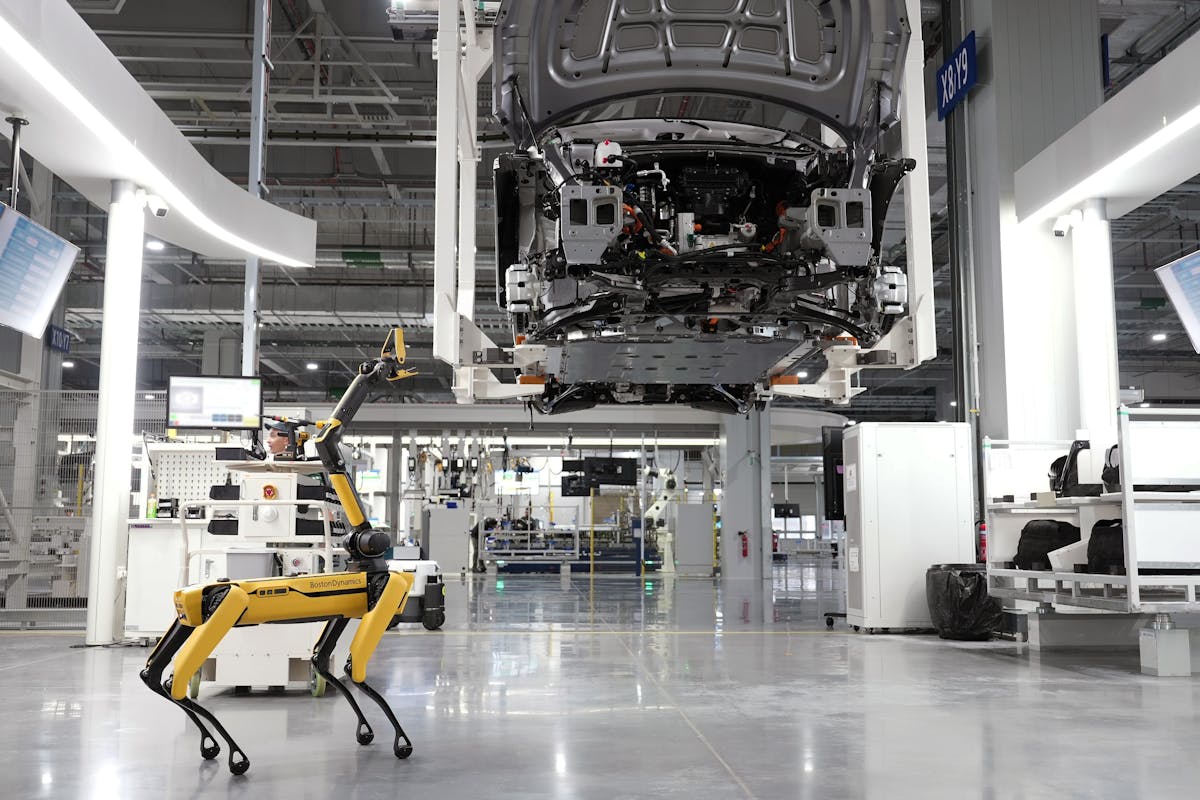
Artificial Intelligence is no longer a futuristic idea. Instead, it is already reshaping how industries operate and grow. From smart assistants to automated decision-making, the AI industry impact is visible everywhere today. In fact, businesses now rely on AI to improve efficiency, reduce costs, and stay competitive.
So, what exactly is AI? In simple terms, it refers to machines that can learn, think, and make decisions like humans. For example, when Netflix recommends shows or banks detect fraud instantly, AI is working behind the scenes. As a result, AI in business has become a core part of modern operations rather than a luxury.
Moreover, AI is driving global digital transformation at a rapid pace. It helps organizations process massive data, automate repetitive tasks, and deliver personalized experiences. Because of this, industries such as healthcare, finance, retail, and marketing are evolving faster than ever. For instance:
In this guide, you will explore how AI is transforming industries, its real-world applications, key benefits, major challenges, and future trends shaping the world.
Artificial Intelligence (AI) refers to machines that can perform tasks requiring human intelligence. In simple terms, AI enables computers to learn, reason, and make decisions. For example, when a chatbot answers your query or a shopping site suggests products, AI is at work. As a result, understanding what is AI becomes essential in today’s digital world.
At its core, artificial intelligence basics include three main types. First, Narrow AI focuses on specific tasks like voice assistants or recommendation systems. Next, General AI aims to perform any intellectual task like a human, although it is still theoretical. Finally, Generative AI creates new content such as text, images, or videos, making it one of the fastest-growing AI applications today.
Moreover, several key technologies power AI systems. These include:
Because of these technologies, AI has become part of everyday life. For instance, chatbots provide instant customer support, while recommendation engines suggest movies, products, or music based on your preferences. Additionally, AI powers voice assistants, fraud detection systems, and even self-driving technology.
To simplify, think of AI as a combination of data, algorithms, and continuous learning working together to mimic human intelligence.
Simple AI Components Overview:
Now that you understand the basics, let’s explore how AI evolved into a powerful force across industries.
Artificial Intelligence has come a long way from a simple concept to a powerful force driving global change. In fact, understanding the history of AI helps explain why it is so impactful today.
The journey began in the 1950s when researchers first explored whether machines could think like humans. Early pioneers like Alan Turing introduced ideas that laid the foundation for AI. However, progress was slow due to limited computing power and data.
Over time, key breakthroughs shaped the AI evolution. In the 2000s, the rise of big data allowed machines to learn from massive datasets. Soon after, deep learning models improved accuracy in tasks like image recognition and language processing. As a result, AI started moving from theory to real-world applications.
In the last decade, AI adoption has accelerated rapidly. This growth is largely due to cloud computing and increased data availability. Today, businesses can access powerful AI tools without heavy infrastructure costs. Because of this, AI has become a core driver of digital transformation across industries.
Clearly, AI has evolved from a niche concept into a global disruptor, setting the stage for its widespread industry impact.
The AI industry impact is expanding faster than ever, and several key factors are driving this growth. Most importantly, the world is generating massive amounts of data every second. From social media activity to business transactions, this data gives AI systems the fuel they need to learn and improve. As a result, companies can now make smarter and faster decisions.
At the same time, advances in computing power have made AI more accessible. Modern GPUs and cloud platforms allow businesses to process complex data in seconds. Because of this, even small companies can now use AI without investing heavily in infrastructure. In fact, cloud providers have simplified AI adoption through ready-to-use tools and services.
Another major reason behind AI growth is the reduction in costs. Earlier, implementing AI required significant investment and expertise. However, today there are many affordable and no-code AI tools available. This shift has made AI adoption easier for startups and enterprises alike. Consequently, the benefits of AI are no longer limited to large corporations.
Moreover, businesses are actively seeking automation to stay competitive. AI helps automate repetitive tasks, reduce human error, and improve efficiency. For example, customer support chatbots can handle thousands of queries instantly, saving both time and money.
According to industry reports, AI adoption is accelerating rapidly. A McKinsey & Company study found that over 50% of companies have already integrated AI into at least one business function. Similarly, Gartner predicts continued growth in AI-driven technologies across industries.
Clearly, these factors combined are fueling the rapid expansion of AI, making it a central force in modern business transformation.
Artificial Intelligence is not just a trend—it is actively reshaping how businesses operate. Today, AI applications are used across industries to improve efficiency, enhance decision-making, and deliver better customer experiences. As a result, AI in business has become essential for staying competitive in a fast-changing digital landscape.
Let’s explore some of the most impactful AI use cases driving this transformation.
Automation and Process Optimization
To begin with, AI is revolutionizing workflows through automation. Businesses now use Robotic Process Automation (RPA) combined with AI to handle repetitive tasks. For example, companies automate invoice processing, data entry, and customer support responses.
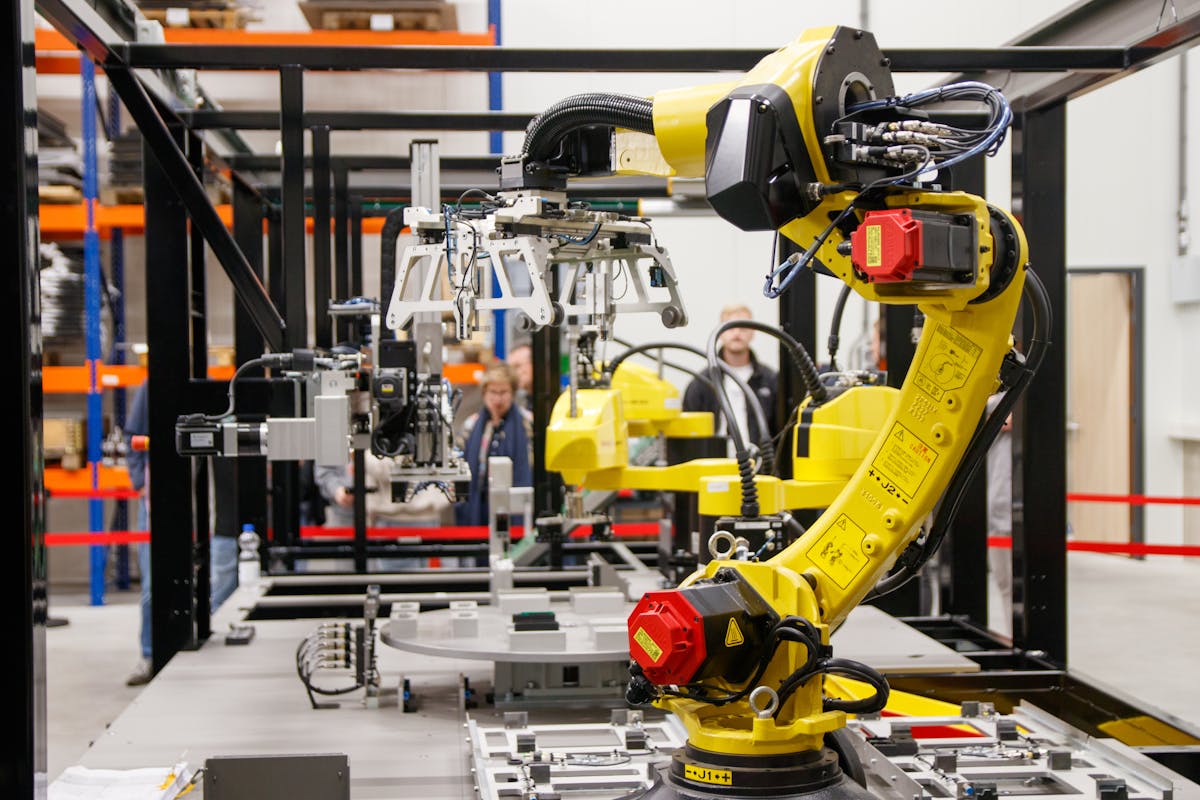
Because of this, organizations reduce operational costs and minimize human error. Moreover, employees can focus on high-value tasks instead of routine work. In manufacturing, AI-powered robots streamline production lines, improving speed and accuracy.
As a result, automation has become one of the biggest drivers of efficiency in modern businesses.
Data Analytics and Predictive Insights
In addition, AI plays a crucial role in analyzing large volumes of data. Traditional methods often struggle with speed and accuracy, but AI systems can process data in real time.
More importantly, AI enables predictive analytics. This means businesses can forecast trends, customer behavior, and market demand. For instance, retailers predict which products will sell more during certain seasons.
Consequently, decision-making becomes faster and more data-driven. Companies no longer rely on guesswork but instead use insights backed by AI.
Customer Experience and Personalization
Another major area where AI excels is customer experience. Today, businesses use AI to deliver highly personalized interactions. For example, platforms like Amazon suggest products based on browsing history, while Netflix recommends shows tailored to user preferences.
Similarly, AI-powered chatbots provide instant customer support 24/7. These systems can answer queries, resolve issues, and even guide users through purchases.
Because of this, businesses improve customer satisfaction while reducing support costs. Personalization also increases engagement, leading to higher conversion rates.
AI in Cybersecurity
Finally, AI is transforming cybersecurity by detecting and preventing threats in real time. Unlike traditional systems, AI can identify unusual patterns and potential risks instantly.
For example, banks use AI to detect fraudulent transactions within seconds. At the same time, companies monitor network activity to prevent cyberattacks before they occur.
As cyber threats continue to grow, AI provides a proactive defense system. Therefore, it has become a critical component of modern security strategies.
Artificial Intelligence is transforming industries in powerful and practical ways. Today, AI in business is no longer limited to tech companies. Instead, it is driving innovation across healthcare, finance, retail, manufacturing, and marketing. These real-world AI industry examples clearly show how organizations are improving efficiency, accuracy, and customer experience.
Healthcare
AI is revolutionizing healthcare by improving diagnosis and treatment outcomes. For example, AI systems can analyze medical images faster than humans, helping doctors detect diseases early. Tools developed by Google have shown high accuracy in detecting conditions like cancer from scans.
Moreover, robotic surgery powered by AI allows for more precise operations with minimal risk. At the same time, AI accelerates drug discovery by analyzing vast datasets in less time.
As a result, hospitals reduce errors and improve patient care significantly.
Efficiency Insight:
Finance
In the financial sector, AI plays a crucial role in managing risk and detecting fraud. Banks use AI algorithms to monitor transactions in real time. If unusual activity is detected, the system flags it instantly.
Additionally, AI powers algorithmic trading, where systems analyze market trends and execute trades automatically. This allows investors to make faster and more informed decisions.
Because of these capabilities, financial institutions improve security and increase profitability.
Efficiency Insight:
Retail & E-commerce
Retail businesses rely heavily on AI to enhance customer experience and optimize operations. For instance, platforms like Amazon use AI to recommend products based on user behavior. This personalization increases sales and customer satisfaction.
At the same time, AI helps manage inventory by predicting demand. Retailers can stock products more efficiently and avoid overstocking or shortages.
Consequently, businesses improve both customer engagement and operational efficiency.
Efficiency Insight:
Manufacturing
AI has transformed manufacturing through automation and predictive maintenance. Companies like Tesla use AI-powered robots to streamline production lines. These systems work continuously with high precision.
Furthermore, predictive maintenance uses AI to detect equipment issues before they cause failures. This reduces downtime and saves costs.
Because of this, manufacturers achieve higher productivity and lower operational risks.
Efficiency Insight:
Marketing & Advertising
AI is changing how businesses connect with customers. Today, marketers use AI to analyze user behavior and create targeted campaigns. Platforms like Google Ads use AI to optimize ad performance in real time.
Additionally, AI tools help segment audiences and deliver personalized messages. This improves engagement and increases return on investment (ROI).
As a result, businesses can reach the right audience at the right time with minimal effort.
Efficiency Insight:
Artificial Intelligence adoption is growing rapidly, largely due to the availability of powerful and accessible AI tools. Today, businesses of all sizes use these solutions to automate processes, analyze data, and improve decision-making. As a result, AI platforms have become the backbone of modern digital transformation tools.
To begin with, several popular AI tools are widely used across industries. For example, ChatGPT helps businesses with content creation, customer support, and automation. Similarly, TensorFlow is a powerful open-source library used for building AI models. Meanwhile, IBM Watson offers advanced analytics and natural language processing for large organizations.
In addition, cloud-based AI platforms have made adoption easier than ever. Services like Amazon Web Services (AWS) AI and Microsoft Azure AI allow businesses to access AI capabilities without heavy infrastructure investment. Because of this, companies can scale their AI operations quickly and cost-effectively.
Moreover, no-code and low-code AI tools are gaining popularity. These platforms enable non-technical users to build AI solutions without programming knowledge. As a result, small businesses and marketers can leverage AI without hiring specialized developers.
| Tool/Platform | Best For | Key Features |
| ChatGPT | Content & chat automation | NLP, content generation |
| TensorFlow | Developers & data scientists | Model building, deep learning |
| IBM Watson | Enterprises | Advanced analytics, NLP |
| AWS AI | Scalable cloud solutions | Machine learning, APIs |
| Azure AI | Business integration | AI services, automation |
Overall, these AI tools and platforms are making it easier for businesses to innovate, automate, and compete in a rapidly evolving digital world.
Artificial Intelligence is delivering measurable value across sectors. In fact, the benefits of AI go beyond automation and touch every part of a business. As companies adopt smarter systems, they improve performance, reduce costs, and make faster decisions. Therefore, understanding these AI advantages is key to staying competitive.
First, AI significantly boosts efficiency. It automates repetitive tasks and speeds up workflows. For example, AI can process thousands of customer queries instantly through chatbots. As a result, teams save time and focus on strategic work.
Next, AI helps reduce operational costs. Businesses minimize manual effort and avoid costly errors. Moreover, predictive systems prevent failures, which lowers maintenance expenses over time.
In addition, AI improves decision-making. It analyzes large datasets and delivers actionable insights in real time. Because of this, companies can respond quickly to market changes and customer needs.
AI also supports scalability. Once implemented, AI systems can handle increased workloads without major changes. This allows businesses to grow without proportionally increasing resources.
Finally, AI provides a strong competitive advantage. Companies using AI can innovate faster, personalize experiences, and outperform competitors in crowded markets.
Overall, these benefits make AI a powerful driver of growth and long-term success across industries.
While AI offers powerful benefits, it also comes with important concerns. In fact, understanding these AI challenges is essential before adopting any solution. Although AI improves efficiency, businesses must carefully manage its risks to avoid long-term issues.
One of the biggest AI risks is data privacy. AI systems rely heavily on large datasets, often including sensitive user information. Therefore, companies must ensure strong data protection measures. Without proper safeguards, data breaches can damage trust and lead to legal consequences.
Another major concern is bias in AI algorithms. Since AI learns from historical data, it can unintentionally reflect existing biases. For example, biased datasets may lead to unfair hiring decisions or inaccurate predictions. As a result, organizations must regularly audit and improve their AI models.
In addition, high implementation costs can be a barrier. Although AI tools are becoming more affordable, advanced solutions still require investment in infrastructure, talent, and training. Because of this, small businesses may find it challenging to adopt AI at scale.
Job displacement is also a growing concern. As automation increases, certain roles may become obsolete. However, many experts believe AI will also create new job opportunities. According to McKinsey & Company, while some jobs may decline, new roles focused on AI management and development will emerge.
Finally, ethical concerns remain a critical issue. Questions around transparency, accountability, and decision-making continue to grow. For instance, who is responsible when an AI system makes a mistake? This highlights the need for clear regulations and ethical guidelines.
Artificial Intelligence is reshaping how we work, and its influence will only grow. In fact, the AI future of work is already visible across industries. While automation is changing job roles, it is also creating new opportunities. Therefore, understanding this shift is essential for both employees and businesses.
To begin with, AI will replace certain repetitive and rule-based jobs. Tasks like data entry, basic customer support, and routine analysis are increasingly automated. However, this does not mean jobs will disappear entirely. Instead, the nature of work is evolving. Many new AI jobs are emerging in areas such as data analysis, AI development, and system management.
At the same time, upskilling has become more important than ever. Employees must learn new digital and analytical skills to stay relevant. For example, knowledge of AI tools, data interpretation, and automation platforms can significantly improve career prospects. As a result, continuous learning is no longer optional—it is necessary.
Moreover, the future will rely heavily on human and AI collaboration. While AI handles data and repetitive tasks, humans bring creativity, emotional intelligence, and strategic thinking. This combination leads to better outcomes and more innovative solutions.
According to World Economic Forum, AI is expected to create millions of new jobs globally while transforming existing roles. Additionally, automation could impact nearly half of current work activities in some form.
Artificial Intelligence continues to evolve rapidly, and the future of AI looks even more transformative. As technology advances, new innovations are shaping how businesses operate and how people interact with digital systems. Therefore, staying updated with emerging AI trends is essential for long-term success.
One of the biggest developments is the rise of generative AI. Tools like ChatGPT can now create content, generate images, and even assist in coding. Because of this, businesses are using generative AI to scale content production and improve productivity. This trend will continue to grow as models become more advanced.
At the same time, AI is becoming part of everyday devices. From smartphones to smart home systems, AI enhances user experiences through voice recognition, automation, and personalization. As a result, users expect faster and more intuitive interactions in their daily lives.
Another major shift is the development of autonomous systems. Companies like Tesla are pushing boundaries with self-driving technology. Similarly, AI-powered drones and robots are transforming industries like logistics and manufacturing.
However, as AI expands, ethical concerns are gaining attention. Governments and organizations are working on regulations to ensure responsible AI use. Issues like transparency, bias, and data privacy are becoming central to AI innovation.
Moreover, hyper-personalization is emerging as a key trend. AI analyzes user behavior to deliver highly tailored experiences in marketing, e-commerce, and entertainment. According to insights from Gartner, businesses that leverage personalization effectively will gain a significant competitive advantage.
Overall, these trends show that AI is not just evolving—it is redefining the future of industries and digital experiences.
Adopting AI can feel complex, but with the right approach, businesses can achieve strong results. In fact, a clear AI adoption strategy helps reduce risks and maximize returns. Today, successful AI in business depends more on planning than technology alone.
To begin with, companies should start small. Instead of large-scale implementation, focus on pilot projects. For example, automate a single process like customer support or data analysis. This allows businesses to test AI capabilities and understand its impact before scaling further.
Next, investing in the right data infrastructure is essential. AI systems rely on high-quality data to perform effectively. Therefore, businesses must ensure their data is clean, organized, and accessible. Without this foundation, even advanced AI tools may fail to deliver results.
At the same time, employee training plays a crucial role. Teams need to understand how to use AI tools and interpret insights. As a result, companies should invest in upskilling programs and workshops. This not only improves adoption but also boosts employee confidence.
Finally, measuring ROI is critical. Businesses should track key performance indicators such as cost savings, efficiency improvements, and revenue growth. This helps justify AI investments and refine future strategies.
By following this structured approach, businesses can adopt AI effectively and scale it with confidence.
The AI industry impact is significant across sectors like healthcare, finance, retail, and manufacturing. AI improves efficiency, reduces costs, and enhances decision-making. For example, healthcare uses AI for diagnosis, while retail uses it for personalization. As a result, industries become faster, smarter, and more data-driven.
How is AI used in business today?
Today, AI in business is used for automation, data analysis, and customer engagement. Companies deploy chatbots for support, predictive analytics for forecasting, and recommendation engines for personalization. Because of this, businesses improve efficiency, deliver better experiences, and make more informed decisions.
Which industries benefit the most from AI?
Industries like healthcare, finance, retail, and manufacturing benefit the most from AI. These sectors rely heavily on data and automation. For instance, finance uses AI for fraud detection, while manufacturing uses it for predictive maintenance. Therefore, AI delivers measurable improvements in productivity and accuracy.
What are the risks of AI adoption?
Common AI risks include data privacy issues, algorithm bias, and high implementation costs. Additionally, ethical concerns and lack of transparency can create challenges. However, businesses can reduce these risks by using secure systems, auditing AI models, and following responsible AI practices.
Is AI replacing human jobs?
AI is changing jobs rather than completely replacing them. While automation handles repetitive tasks, it also creates new roles in AI development and data analysis. As a result, the focus is shifting toward upskilling and human-AI collaboration, making the workforce more efficient and future-ready.
The AI industry impact is reshaping how the world works, from healthcare to marketing and beyond. As we’ve seen, AI applications are driving efficiency, improving decision-making, and unlocking new growth opportunities. Therefore, businesses and individuals who embrace AI today will be better prepared for tomorrow.
At the same time, AI is no longer limited to large corporations. With accessible tools and platforms, anyone can start leveraging its potential. So, now is the perfect time to take action—learn AI skills, explore practical tools, and stay updated with the latest trends.
AI is not just a technology shift; it’s a mindset shift toward innovation and adaptability.
AI is no longer optional—it’s a competitive necessity. Start exploring AI tools today and position yourself or your business for the future.