 11
11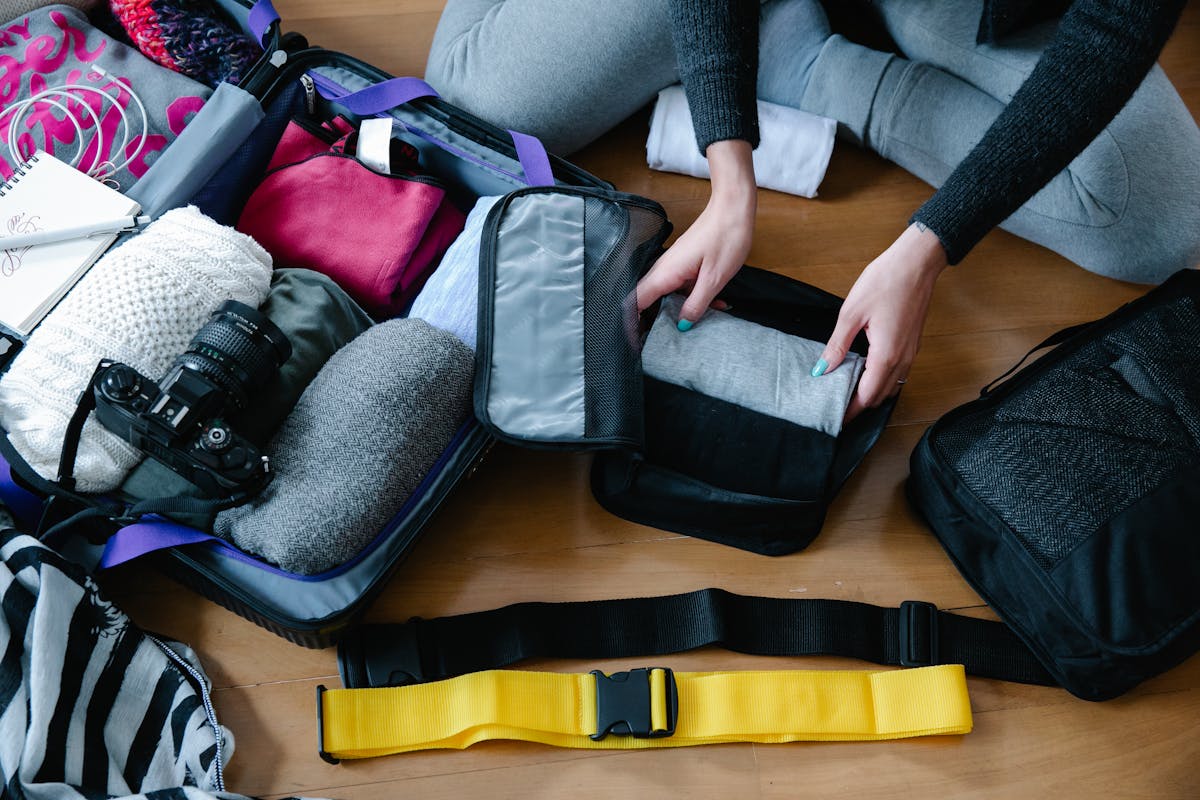
Packing for a trip often feels overwhelming, especially when you are trying to balance comfort, space, and essentials. Whether it’s a short weekend getaway, a business trip, or a long international vacation, the way you pack directly affects your travel experience. However, with the right approach, you can turn this stressful task into a simple and organized process. That is exactly where smart travel packing tips make a real difference.
In fact, efficient packing is not just about fitting things into a suitcase. Instead, it is about planning what you truly need and avoiding unnecessary items. As a result, you save time, reduce baggage stress, and travel more comfortably. Moreover, a well-packed bag helps you stay organized throughout your journey, especially when you are moving between multiple destinations.
In this complete guide, you will learn how to pack efficiently without overpacking or forgetting essentials. Additionally, we will cover the basics of packing, effective luggage organization techniques, and how to build a reliable packing checklist. You will also discover the right travel essentials based on different trip types. Along with that, we will explore proven strategies used by frequent travelers and highlight common mistakes you should avoid.
Furthermore, modern tools and smart planning methods will make your packing process even easier. For example, digital checklists and packing apps can significantly reduce last-minute confusion. By using these techniques, you can bring more structure to your travel routine.
Ultimately, by the end of this guide, you will have a clear, step-by-step system for smarter packing. Consequently, you will save time, reduce stress, and enjoy a more organized travel experience from start to finish.
Smart packing plays a major role in shaping your overall travel experience. In today’s fast-paced world, travelers often move between cities and countries quickly. Therefore, efficient packing is no longer optional—it has become essential. When you apply the right travel packing tips, you not only organize your belongings better but also make your entire journey smoother and more enjoyable.
First of all, packing directly affects your comfort during travel. For example, carrying a heavy or disorganized bag can slow you down at airports, hotels, and transit points. On the other hand, smart packing keeps everything light, structured, and easy to access. As a result, you move freely without unnecessary stress.
Moreover, packing also impacts your travel cost. Airlines often charge extra fees for overweight luggage. In fact, many travelers end up paying significant amounts simply because they overpack. However, when you follow smart packing habits, you avoid these unnecessary expenses and stay within baggage limits easily. Consequently, you save money that can be used for experiences instead of fees.
In addition, there is a clear difference between smart packing and overpacking. Overpacking usually means carrying “just in case” items that are rarely used. In contrast, smart packing focuses only on essentials and versatile items. For instance, instead of packing multiple outfits for every day, you choose mix-and-match clothing that serves multiple purposes.
Real-life travel situations also highlight the importance of packing wisely. Imagine arriving at your destination and discovering your luggage is delayed. If your carry-on includes essentials, you can still manage comfortably. Similarly, poorly packed bags are more likely to get damaged or cause delays during security checks.
Therefore, smart packing not only reduces stress but also improves convenience at every stage of your journey. It helps you stay mobile, avoid unnecessary baggage issues, and enjoy a more relaxed airport experience. Additionally, well-organized luggage makes security checks and baggage handling much faster and easier.
Ultimately, adopting smart packing habits transforms the way you travel, making every trip more efficient and stress-free.
Before you master advanced strategies, it is important to understand the core fundamentals of packing. At its heart, effective packing is built on three simple principles: pack light, pack smart, and stay organized. When you follow these travel packing tips, you naturally reduce clutter and improve efficiency throughout your journey.
First, packing light means carrying only what you truly need. In contrast, overpacking often leads to unnecessary weight and confusion. Therefore, minimalism becomes a key part of smart travel. When you focus only on essentials, you move faster and feel more comfortable during travel.
Next, organization plays a major role. Instead of randomly placing items in your bag, you should categorize everything properly. For example, divide your belongings into clear groups such as:
As a result, you can easily access what you need without unpacking everything.
Moreover, destination-based packing is extremely important. Different trips require different packing approaches. For instance, a tropical destination requires lightweight clothing, breathable fabrics, and minimal layers. On the other hand, a winter trip demands warm clothing, jackets, and thermal wear. Therefore, your packing style should always match the climate.
Similarly, travel purpose also influences packing decisions. Business travel usually requires formal outfits, laptops, and professional essentials. However, leisure travel focuses more on comfort, casual wear, and flexible outfits. By understanding this difference, you avoid carrying unnecessary items.
In addition, it is always better to prioritize essentials over “just in case” items. Many travelers make the mistake of overthinking every scenario. However, in reality, most extra items are never used. Therefore, focusing on travel essentials basics helps you stay practical and efficient.
Ultimately, once you understand these fundamentals, you build a strong foundation for smarter and more confident packing on every trip.
When it comes to efficient travel, having a structured approach makes all the difference. Instead of randomly filling your suitcase, you should follow tested travel packing tips that frequent travelers rely on. These smart packing strategies help you save space, stay organized, and avoid last-minute stress. As a result, you travel lighter and more confidently.
To begin with, start by planning your outfits before you pack anything. This simple step prevents unnecessary items from entering your suitcase. Moreover, it ensures that every piece of clothing has a purpose.
A practical method can make packing much easier. Follow this simple flow:
This structured process ensures nothing important is missed.
One of the most effective methods is the “3 outfit rule.” For short trips, you only need:
This allows multiple outfit combinations without overpacking. Additionally, it supports a minimalist travel style that keeps your luggage light and flexible.
The way you pack clothes significantly affects space and organization. Rolling clothes is often more efficient than folding. In fact, rolling:
On the other hand, folding works better for structured items like blazers or formal shirts. Therefore, combining both techniques gives the best results.
Packing cubes are a game-changer for efficient packing methods. They help divide your luggage into clear sections. For example:
As a result, your suitcase stays organized, and you can find items quickly without creating a mess.
Layering is another smart technique that reduces the need for extra clothing. Instead of packing bulky outfits, you can mix lightweight layers. For example, a t-shirt, shirt, and light jacket can work for multiple weather conditions. Consequently, you stay prepared without overpacking.
To improve your packing even further, follow these practical tips:
Additionally, place heavy items like shoes or toiletries at the bottom of your suitcase. This improves balance and prevents damage to lighter items.
Ultimately, when you combine these proven travel packing tips, you build a system that works for any type of trip, whether short or long.
Effective luggage organization is what separates casual travelers from experienced ones. When your suitcase is well-structured, everything becomes easier—finding items, repacking, and even security checks. With the right travel packing systems, you can turn a messy bag into a perfectly arranged travel kit that works for any trip length.
To start with, a structured packing system inside your suitcase is essential. Instead of randomly placing items, you should assign a clear purpose to each section. This approach reduces clutter and improves accessibility throughout your journey.
One of the most practical suitcase organization tips is dividing your luggage into zones:
As a result, you always know where everything is, which saves time and reduces stress.
Next, using compartments is a game-changer for better organization. Packing cubes, compression bags, and small pouches help you separate items clearly. For example, you can keep clothes in one cube, gadgets in another, and toiletries in a separate waterproof pouch. Consequently, your suitcase stays clean and structured even during long trips.
In addition, compression bags are especially useful for bulky clothing like jackets or sweaters. They reduce space significantly, allowing you to carry more without increasing luggage size.
Another important rule is to keep frequently used items within easy reach. For instance, travel documents, chargers, snacks, or a light jacket should always be placed on top or in outer compartments. This ensures you don’t have to unpack your entire suitcase every time you need something.
During travel, maintaining hygiene becomes important. Therefore, always separate clean and used clothes. You can use a dedicated laundry bag or even a simple packing cube for used items. As a result, your suitcase remains organized throughout the trip.
For short trips, carry-on organization should focus on essentials only. You can use one or two packing cubes for clothes and a small pouch for toiletries. This keeps your bag light and easy to manage.
On the other hand, for long trips with checked baggage, you should expand your system. Multiple packing cubes, compression bags, and category-based organization become more useful. Additionally, separating outfits by days or activities helps you stay organized throughout your journey.
To improve your system further, consider using:
Ultimately, when you apply these luggage organization techniques consistently, your suitcase becomes more efficient, accessible, and travel-friendly.
Selecting the right travel essentials is one of the most important parts of smart packing. When you focus on must-have travel items, you avoid unnecessary weight and ensure you are fully prepared for any situation. In fact, a well-planned packing essentials list can completely change how smoothly your journey goes.
To begin with, every traveler should carry a set of basic essentials regardless of destination. These items form the foundation of safe and comfortable travel. Without them, even a short trip can become stressful.
Certain items are non-negotiable for every trip. These include:
As a result, you stay prepared for both planned and unexpected situations.
However, not all trips are the same. Therefore, you must customize your essentials based on your destination. For example, a beach vacation requires sunscreen, swimwear, and light clothing. On the other hand, a mountain trip needs warm layers, gloves, and thermal wear.
Similarly, international travel demands more preparation than domestic travel. You may need adapters, foreign currency, and extra documentation. Consequently, destination-based planning ensures you never carry too little or too much.
In addition to basic items, health and safety essentials are equally important. For instance, carrying a small first-aid kit can help in minor emergencies. Moreover, hand sanitizer, wet wipes, and masks improve hygiene during travel.
Comfort items also matter. A neck pillow, eye mask, or light jacket can make long journeys much more comfortable. Therefore, balancing safety and comfort improves your overall travel experience.
Modern travel is incomplete without electronics. Always include:
As a result, you stay connected and avoid inconvenience during transit.
For solo travel, essentials should be minimal yet complete. You focus on lightweight items, safety tools, and easy mobility. In contrast, family travel requires additional items like kids’ essentials, extra clothing, and shared supplies.
Similarly, international travel involves more documentation, while domestic travel is usually simpler and more flexible. Therefore, your travel essentials list should always adapt to your situation.
One of the most useful strategies is preparing a “first-day kit” in your hand luggage. This should include:
Consequently, even if your checked luggage is delayed, you can still manage comfortably on your first day.
Ultimately, choosing the right essentials ensures a smoother, safer, and more organized travel experience every time.
A well-structured packing checklist is one of the most powerful tools for stress-free travel. When you use a proper travel checklist, you reduce the chances of forgetting important items and avoid unnecessary overpacking. In fact, a simple packing planner can turn a chaotic packing process into a smooth, step-by-step routine.
To begin with, a checklist helps you stay organized and focused. Instead of packing randomly, you follow a clear system that covers everything from clothing to documents. As a result, you save time and eliminate last-minute confusion.
A structured checklist ensures nothing important is missed. Moreover, it helps you pack more efficiently by separating needs from unnecessary items. For example, many travelers forget chargers, toiletries, or travel documents when packing in a hurry. However, a checklist prevents these common mistakes.
Additionally, it gives you a clear overview of what you already have and what still needs to be packed. Therefore, you stay fully prepared before your trip begins.
Building an effective checklist is simple when you follow a structured process:
As a result, your checklist becomes practical and easy to follow.
Today, travelers can choose between digital and physical checklists. Both options have advantages.
Digital checklists (apps or notes) are convenient because they are editable, reusable, and easy to access on your phone. On the other hand, physical checklists are useful for travelers who prefer writing things down and checking them manually.
Therefore, the best option depends on personal preference. However, many travelers combine both for better efficiency.
To make your checklist more effective, always categorize items clearly:
Consequently, you avoid confusion and ensure complete coverage.
For a weekend trip, your checklist is short and simple. It includes 2–3 outfits, basic toiletries, chargers, and essential documents.
In contrast, an international travel checklist is more detailed. It includes additional items like visas, travel insurance, currency, adapters, and destination-specific clothing.
To simplify the process, you can use:
Ultimately, a well-prepared packing checklist ensures you pack smarter, travel lighter, and avoid unnecessary stress before every journey.
What to cover:
Key points:
Examples:
Even experienced travelers make packing mistakes that can affect their entire journey. However, when you understand these common errors, you can easily avoid them and travel more confidently. Most travel errors happen due to poor planning, last-minute packing, or lack of structure.
One of the biggest issues is overpacking. Many travelers carry unnecessary “just in case” items, which only adds weight and creates confusion. On the other hand, some people underpack and forget essentials like chargers, medicines, or important documents. As a result, both situations lead to avoidable stress during travel.
Another common mistake is poor luggage organization. When items are placed randomly, it becomes difficult to find things quickly. Moreover, it increases the chances of damage or loss during travel. In addition, ignoring destination climate research often leads to packing unsuitable clothing, which affects comfort throughout the trip.
Fortunately, these problems are easy to fix with simple habits. First, always plan your packing at least 2–3 days before your trip. This gives you enough time to think clearly and avoid rushed decisions. Second, always use a proper checklist system to ensure nothing is missed. Finally, follow proven travel packing tips to maintain structure and efficiency.
Ultimately, avoiding these common mistakes ensures smarter packing, better organization, and a much smoother travel experience overall.
The future of travel packing is becoming more advanced, convenient, and technology-driven. Today, travelers are no longer relying only on traditional methods. Instead, innovation is reshaping how people plan and organize their trips with smarter and faster solutions.
One major shift is the rise of smart suitcases with tracking features. These bags often include GPS tracking, digital locks, and weight sensors. As a result, travelers can monitor their luggage in real time and reduce the risk of loss or theft. Moreover, this improves overall travel confidence, especially during international trips.
In addition, AI-driven packing assistants are becoming more popular. These tools analyze your destination, weather, and trip duration to suggest personalized packing lists. Consequently, travelers no longer need to guess what to carry, which reduces overpacking and improves efficiency.
Another important trend is the growth of lightweight and eco-friendly luggage. Manufacturers are now focusing on sustainable materials that are both durable and environmentally responsible. Therefore, travelers can reduce their environmental impact while still enjoying high-quality travel gear.
Overall, smart luggage trends show that technology is making travel more organized, efficient, and sustainable. As innovation continues, packing will become even more automated and stress-free in the coming years.
Start with a simple checklist. Then focus on versatile clothing that can be mixed and matched. In addition, avoid overpacking by choosing only essentials. This approach keeps your luggage light and easy to manage.
Use packing cubes to separate categories like clothes, toiletries, and gadgets. Moreover, keep frequently used items in easy-to-reach sections. As a result, your luggage stays organized throughout the trip.
A complete checklist should include clothes, toiletries, important documents, electronics, and destination-specific items. Therefore, you stay prepared for every situation during your journey.
Plan your outfits in advance and stick to mix-and-match clothing. Additionally, remove “just in case” items that you are unlikely to use. Consequently, your bag stays lighter and more practical.
Key essentials include your passport, wallet, phone, chargers, basic clothing, and necessary medications. These items ensure a smooth and stress-free travel experience.
Packing smart is not just about saving space; it is about transforming your entire travel experience into something smoother and more enjoyable. When you apply the right travel packing tips, you naturally reduce stress, stay better organized, and avoid last-minute confusion. Moreover, good planning ensures that you always carry the right travel essentials without overloading your luggage.
Whether you are a frequent traveler or planning your very first trip, a structured packing checklist makes a huge difference. It helps you stay prepared, avoid common mistakes, and improve your overall luggage organization with ease. As a result, you travel with more confidence and less hassle.
Ultimately, the goal is simple—pack smarter, not heavier. So, start using these strategies on your next journey and experience how efficient packing can completely change the way you travel.



naturally like your web site however you need to take a look at the spelling on several of your posts. A number of them are rife with spelling problems and I find it very bothersome to tell the truth on the other hand I will surely come again again.
I do not even understand how I ended up here, but I assumed this publish used to be great
Nice post. I learn something totally new and challenging on websites