 11
11
Traveling opens the door to new experiences, cultures, and opportunities. However, at the same time, it also brings certain risks that every traveler should understand. Therefore, being prepared is just as important as planning your itinerary. Whether you are traveling within your country or exploring a new destination abroad, following the right approach can make your journey smooth and stress-free.
In fact, having strong awareness of travel safety tips can significantly reduce unexpected problems during your trip. For example, something as simple as choosing safe transport or keeping digital copies of documents can prevent major issues later. Moreover, small precautions often make a big difference in unfamiliar environments.
This guide is designed for both beginners and experienced travelers. It focuses on practical steps that help you stay safe in real situations. Additionally, you will learn how to prepare before departure, stay alert while traveling, and protect yourself in crowded or unknown places. As a result, your overall travel experience becomes more confident and controlled.
Furthermore, we will also explore essential aspects of personal safety while traveling, smart travel precautions, and modern digital protection methods. Since today’s world is highly connected, online safety is equally important as physical safety. Therefore, understanding both areas ensures complete secure travel from start to finish.
By the end of this guide, you will clearly understand how to reduce risks and avoid common travel mistakes. Consequently, you will be able to navigate any destination with more confidence, awareness, and peace of mind.
So, let’s begin building a safer way to travel and move into the essential safety practices every traveler should know.
Travel safety refers to the awareness, planning, and actions that help travelers stay protected from risks during their journey. In simple terms, it means making smart decisions before and during travel to avoid harm, loss, or unwanted situations. Therefore, learning basic travel safety tips becomes essential for every traveler, regardless of experience level.
In today’s world, safety has become even more important. Since global travel has increased significantly, so have risks such as scams, theft, and digital fraud. For instance, many tourists in popular cities like Paris, Bangkok, and Barcelona often face pickpocketing in crowded areas. Similarly, digital scams targeting online bookings and fake travel websites have also grown rapidly in recent years. As a result, understanding the importance of travel safety is no longer optional—it is necessary.
Moreover, travelers face several common risks. These include:
For example, a traveler who ignores local transport rules may end up using unlicensed taxis, which can lead to overcharging or unsafe routes. However, with proper awareness and travel precautions, such situations can be easily avoided.
In addition, there is a clear difference between safe and risky travel habits. Safe travelers plan ahead, stay alert, and verify information. On the other hand, risky behavior includes trusting strangers blindly, ignoring warnings, or not securing personal belongings. Consequently, these small mistakes often lead to bigger problems.
Therefore, understanding why travel safety tips matter helps you make better decisions and ensures a smoother journey with fewer unexpected issues.
Next, we will explore how proper planning before your trip can significantly improve your overall travel safety.
Proper preparation plays a major role in ensuring a safe and stress-free journey. In fact, most travel problems can be avoided long before departure with the right planning. Therefore, following key travel precautions before trip helps you stay ahead of risks and enjoy a smoother experience. Let’s break down the most important steps for secure preparation.
Researching Your Destination
Before you travel, understanding your destination is essential. A reliable destination safety guide helps you identify safe neighborhoods, risky areas, and local rules. For example, some cities have areas that are safe during the day but less secure at night. Therefore, checking safety ratings from government travel advisories or trusted travel forums is highly recommended.
Moreover, every destination has its own laws and cultural expectations. In some countries, dress codes and behavior in public places matter a lot. Ignoring these can lead to fines or uncomfortable situations. Additionally, learning basic local customs helps you avoid misunderstandings and shows respect toward local culture. As a result, your travel becomes smoother and more respectful.
Travel Documents & Insurance
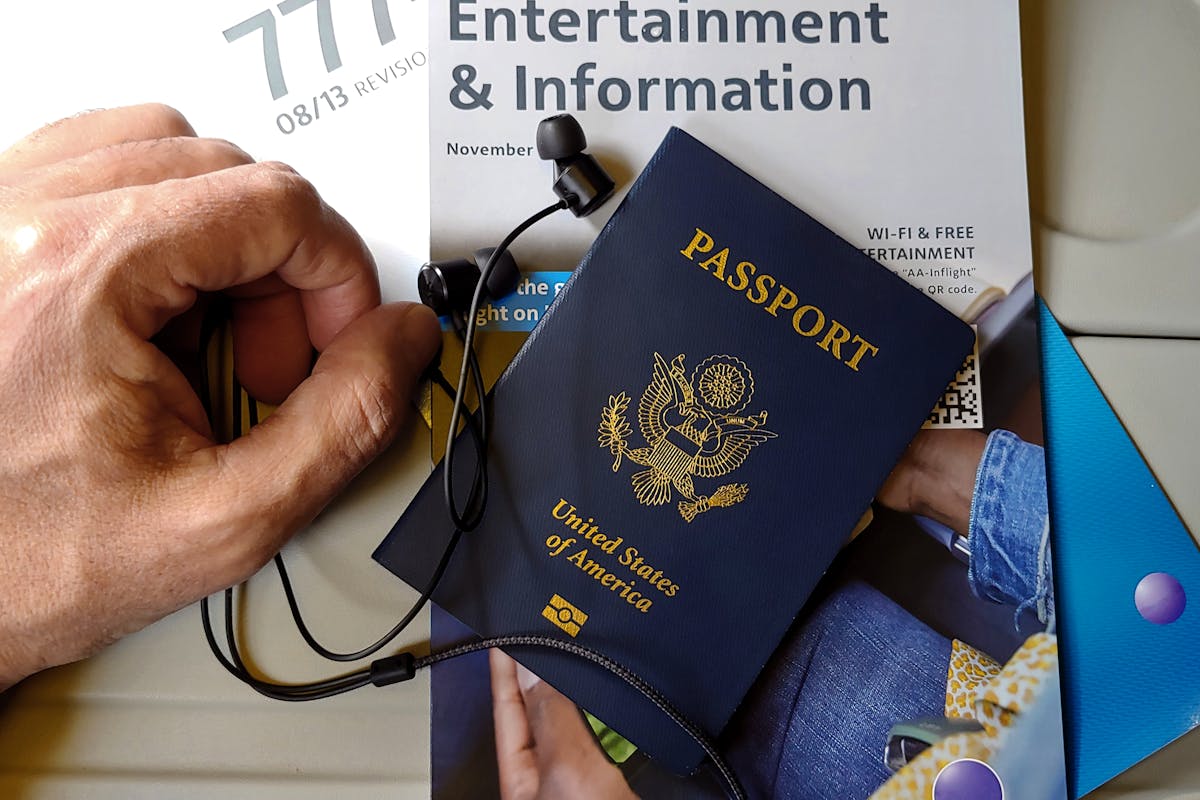
Secure documentation is the backbone of secure travel planning. First, always keep your passport in a safe place and avoid carrying it unnecessarily. Instead, carry a photocopy or digital copy when exploring. Secondly, double-check your visa requirements well in advance to avoid last-minute issues at immigration.
Equally important is travel insurance. Many travelers underestimate the travel insurance importance, but it can save you from unexpected expenses. For instance, medical emergencies abroad can be extremely expensive. Similarly, insurance also covers lost baggage, theft, or trip cancellations. Therefore, investing in a good policy ensures financial protection and peace of mind throughout your journey.
Packing Smart for Safety
Smart packing is not just about convenience—it directly impacts your safety. Following effective travel safety packing tips can make a big difference during emergencies. For example, always carry a small emergency kit with basic medicines, bandages, and essential supplies.
In addition, using anti-theft bags with hidden zippers or RFID protection helps secure your belongings in crowded places. Moreover, it is highly recommended to keep backup copies of important documents like your passport, ID, and tickets in both digital and printed formats.
You can also use a simple checklist to stay organized:
Furthermore, a well-organized packing strategy reduces stress and ensures you are prepared for unexpected situations.
With proper planning, your journey becomes safer, smoother, and far more enjoyable. Next, we will explore how to stay safe and alert during your actual travel experience.
Maintaining awareness during your journey is one of the most important parts of staying protected. In fact, most travel issues happen not because of lack of planning, but due to small moments of carelessness. Therefore, focusing on personal safety while traveling helps you stay alert and confident in unfamiliar environments. Let’s look at practical ways to protect yourself in real-world situations.
Staying Alert in Public Places
Public spaces like markets, train stations, and tourist attractions are often crowded. Therefore, they can attract petty theft and distractions. One of the most effective public safety tips is to avoid using your phone or wearing headphones in crowded areas. For example, many pickpocket incidents occur when travelers are distracted while checking maps or messages.
Additionally, always stay aware of your surroundings. If you notice someone acting suspiciously—such as following you too closely or trying to distract you—move toward a safer, busier area. Moreover, try to stay in well-lit streets, especially during evening hours. As a result, you reduce the chances of encountering unsafe situations.
Safe Transportation Practices
Transport safety is another key part of secure travel. Using the right services can greatly reduce risks. For instance, always prefer verified ride-hailing apps instead of accepting random rides from strangers. These apps provide driver details and route tracking, which increases safety.
Furthermore, avoid unlicensed taxis, especially at airports or tourist spots where scams are common. In many countries, travelers are often overcharged due to lack of awareness. Therefore, confirming fares beforehand is always a smart move.
Equally important, always wear your seatbelt and follow basic road safety rules. Even in short-distance rides, accidents can happen unexpectedly. So, staying cautious ensures safer movement throughout your trip.
Handling Strangers and Scams
Interacting with new people is part of travel, but caution is necessary. One of the most common travel scams prevention strategies is learning how to identify fake offers. For example, some scammers act as “helpful guides” but later demand high charges or lead travelers to overpriced shops.
In addition, always be polite but firm when declining unwanted offers. A simple “No, thank you” is usually enough. You do not need to engage in long conversations. Moreover, trusting your instincts plays a major role. If something feels wrong, it probably is.
Common scams include:
Overall, staying alert, choosing safe transport, and handling interactions wisely are essential travel precautions. Next, we will explore how digital safety plays a major role in protecting modern travelers.
In today’s connected world, travel is no longer only about physical safety. Instead, your digital security is equally important. In fact, many travelers face cyber risks without even realizing it. Therefore, following smart digital travel safety tips is essential to protect your personal and financial data while moving across destinations.
One of the biggest risks comes from public WiFi networks. Airports, cafes, and hotels often provide free internet, but these networks are not always secure. For example, hackers can easily intercept data on open networks and access sensitive information like login details or credit card numbers. As a result, it is always safer to avoid logging into bank accounts or entering passwords on public WiFi.
To improve WiFi security travel, using a trusted VPN (Virtual Private Network) is highly recommended. A VPN encrypts your internet connection, making it difficult for hackers to track your activity. Additionally, it helps you browse securely even on unsecured networks, which is especially useful for travelers who rely heavily on mobile internet.
Moreover, protecting your banking apps and passwords is crucial. Always enable two-factor authentication whenever possible. Furthermore, avoid saving passwords on shared or public devices. Instead, use a secure password manager to store credentials safely. These small steps significantly reduce the risk of unauthorized access.
Another major concern is phishing scams during travel. For instance, you may receive fake emails or messages pretending to be from airlines, hotels, or booking platforms. These often ask for urgent action or payment details. Therefore, always verify the source before clicking any link or sharing information.
📌 Case insight: In several reported incidents, travelers using airport WiFi had their email and banking accounts compromised within minutes due to unsecured connections. However, those using VPNs remained protected even on the same network.
Ultimately, strong online travel protection ensures that your personal data stays safe no matter where you go. Next, we will explore how to stay prepared for health-related emergencies during your journey.
Health & Emergency Preparedness
Health and safety go hand in hand when you travel. In fact, even a well-planned trip can be disrupted by sudden illness or emergencies. Therefore, following proper travel health precautions ensures that you stay protected and prepared in any situation. With a little preparation, you can avoid most health-related travel problems.
Before you travel, it is important to check if any vaccinations are required for your destination. For example, some countries may require vaccines for diseases like yellow fever or hepatitis. Additionally, a basic health check-up helps ensure you are fit for travel, especially if you have existing medical conditions. As a result, you reduce the chances of unexpected health issues during your trip.
Moreover, always carry essential medicines with you. This includes basic pain relievers, allergy medicines, and any prescribed drugs you regularly use. In addition, keep a copy of your prescriptions in case you need a refill or medical assistance abroad. This simple step can save you from unnecessary stress in unfamiliar places.
Understanding emergency travel safety is equally important. Always save local emergency numbers in your phone before arriving at your destination. Furthermore, keep contact details of your family or close friends easily accessible. In case of an emergency, quick communication can make a big difference.
It is also wise to know the location of nearby hospitals and clinics. Similarly, keep embassy or consulate details handy if you are traveling internationally. These resources can provide support in case of legal, medical, or documentation issues.
📌 Travel Health Checklist:
By preparing in advance, you ensure that your journey remains safe even in unexpected situations. Next, we will look at how choosing the right accommodation can further improve your overall travel safety.
Choosing the right place to stay plays a major role in your overall travel safety. In fact, your accommodation can either increase your security or expose you to unnecessary risks. Therefore, following practical hotel safety tips ensures a more comfortable and secure experience throughout your trip.
First, always choose accommodation in safe and well-reviewed neighborhoods. For example, areas close to tourist attractions or public transport are usually more secure and convenient. Additionally, avoid booking places in isolated or poorly connected locations, especially if you are unfamiliar with the city. As a result, you reduce the chances of facing unsafe situations at night.
Moreover, checking hotel reviews is extremely important. Websites and travel platforms often provide real feedback from previous guests. Therefore, look for patterns in reviews related to cleanliness, staff behavior, and security. This helps you make better decisions for secure accommodation travel.
Once you check in, focus on room safety practices. Always inspect door locks, windows, and emergency exits. Furthermore, use in-room safes to store valuables like passports, cash, and electronics. If a safe is not available, keep important items locked in your luggage instead of leaving them exposed.
In addition, avoid sharing sensitive personal or financial details at the front desk unless necessary. For example, your room number should not be openly discussed where others can hear it. Similarly, be cautious when receiving calls in your room asking for private information, as hotel scams can happen occasionally.
📌 Checklist for Safe Hotel Selection:
By following these steps, you can significantly improve your accommodation safety and enjoy a stress-free stay. Next, we will explore how managing your money wisely adds another layer of protection during travel.
Managing money safely is a key part of any trip. In fact, many travelers face financial loss not because of big mistakes, but due to small careless actions. Therefore, following practical travel money safety tips helps you protect your funds and enjoy a stress-free journey.
One important decision is choosing between cash and cards. While cash is useful for small purchases, carrying too much can increase risk if it gets lost or stolen. On the other hand, cards offer better tracking and security features. Therefore, a balanced mix of both is usually the safest option. Additionally, secure payments while traveling are easier with debit or credit cards that offer fraud protection.
Moreover, ATM usage requires caution. Always use ATMs located inside banks or busy, well-lit areas. For example, avoid standalone machines in isolated streets, especially at night. Furthermore, shield your PIN while entering it and check for any unusual devices attached to the machine. These simple steps significantly reduce the risk of card fraud.
Currency scams are another common issue in tourist areas. Sometimes, travelers receive incorrect change or are charged unfair exchange rates. Therefore, always exchange money from authorized counters or banks. In addition, checking live exchange rates beforehand helps you avoid unfair deals.
It is also wise to keep emergency funds separate from your main wallet. For instance, you can store extra cash in a hidden pouch or different bag. As a result, even if you lose one wallet, you still have backup money available.
💡 Digital wallets vs cash safety comparison:
Therefore, using a combination of both methods provides the best balance of convenience and security.
By managing your finances wisely, you add an extra layer of protection to your journey. Next, we will look at common travel mistakes that every traveler should avoid.
Even experienced travelers sometimes make simple mistakes that can lead to unnecessary risks. Therefore, understanding key travel mistakes safety tips helps you avoid problems and ensures a smoother journey. In fact, most travel issues are not caused by destinations, but by poor decisions along the way. Let’s look at the most common ones and how to avoid them.
Do vs Don’t: Smart Travel Habits
Do: Carry only what you truly need
Don’t: Overpack valuables like expensive jewelry, gadgets, or large amounts of cash
Overpacking valuables increases the risk of theft or loss. Instead, keep your essentials minimal and practical. For example, a simple watch and basic accessories are enough for most trips.
Do: Learn local rules and customs
Don’t: Ignore laws or cultural norms
Every destination has different rules. For instance, some countries have strict dress codes or restrictions in public spaces. Therefore, ignoring them can lead to fines or uncomfortable situations. As a result, basic awareness helps you stay respectful and safe.
Do: Always have a backup plan
Don’t: Rely on a single option for transport, bookings, or payments
Plans can change unexpectedly. Flights get delayed, hotels get overbooked, and routes may close. Therefore, having alternatives ensures you are not stuck in difficult situations. In addition, keeping digital copies of tickets and IDs adds extra security.
Do: Verify offers before accepting
Don’t: Trust unknown deals or strangers easily
Many travelers fall for fake guides, overpriced tours, or misleading offers. For example, someone may offer a “special discount” but later demand hidden charges. Therefore, always check official sources before making any decision.
Avoiding these common errors significantly helps you avoid travel risks and enjoy a safer experience. Next, we will explore how modern technology is shaping the future of travel safety.
Travel safety is rapidly evolving with technology, making journeys smarter and more secure than ever before. In fact, modern tools are reshaping how people approach risk management during travel. Therefore, adopting modern travel safety tips has become easier and more effective through digital innovation.
One of the biggest advancements is the rise of AI in travel safety. Today, AI-powered apps can analyze travel routes, detect unsafe areas, and even provide real-time alerts about weather disruptions or security risks. For example, some apps notify travelers if they enter high-risk zones, helping them avoid dangerous situations before they happen. As a result, decision-making becomes faster and more informed.
Moreover, smart luggage tracking devices have become increasingly popular. These devices allow travelers to track their bags in real time using GPS technology. Therefore, even if luggage is lost or misplaced, it can be quickly located. This significantly reduces stress and improves smart travel security.
In addition, real-time location sharing tools are now widely used among travelers. For instance, solo travelers often share their live location with family or friends for added safety. Consequently, help can reach them quickly in case of emergencies or delays.
Government travel advisory systems are also playing a major role. Many countries now provide updated alerts about safety conditions, political unrest, or health risks. Therefore, checking these advisories before and during travel helps travelers stay informed and prepared.
📌 Overall insight: Technology is transforming global travel by making safety more proactive rather than reactive. Instead of responding to problems after they occur, travelers can now prevent risks using data-driven tools and real-time alerts.
As innovation continues to grow, the future of travel safety will become even more connected, intelligent, and personalized.
The future of travel safety is becoming more advanced, intelligent, and highly automated. In fact, technology is no longer just supporting travel—it is actively reshaping how safety is managed at every stage of the journey. Therefore, travelers can expect a much more secure and seamless experience in the coming years.
One major development is AI-driven risk detection. Artificial intelligence will soon analyze global data in real time to predict potential threats such as weather disruptions, crowded hotspots, or security risks. As a result, travelers will receive instant alerts and smarter route suggestions, making smart travel protection more proactive than ever.
In addition, biometric security at airports is rapidly expanding. For example, facial recognition and fingerprint scanning are already replacing traditional boarding passes in many countries. Consequently, this reduces identity fraud and speeds up the travel process while improving overall safety.
Moreover, smart tourism ecosystems are emerging where hotels, transport systems, and tourism services are fully connected. This integration allows real-time communication between systems, ensuring faster response during emergencies. Therefore, travelers benefit from a more coordinated and secure environment.
Another key trend is increased digital identity verification. Instead of relying only on physical documents, travelers will use secure digital IDs stored on encrypted platforms. This not only reduces the risk of document loss but also strengthens authentication across borders.
Overall, the future of travel is shifting toward a safer and more intelligent ecosystem. With technology advancing quickly, travelers can expect smoother journeys, stronger security systems, and greater peace of mind wherever they go.
For beginners, the most important travel safety tips focus on preparation and awareness. First, always plan your trip in advance and research your destination properly. In addition, keep your important documents like passport, ID, and tickets secure in both physical and digital copies. Moreover, stay aware of your surroundings, especially in crowded places. As a result, you reduce the chances of theft or confusion during travel. Finally, avoid carrying unnecessary valuables, since simplicity often leads to safer travel experiences.
2. How can I ensure personal safety while traveling alone?
To ensure personal safety while traveling, solo travelers should stay extra alert and organized. For example, always share your itinerary with a trusted friend or family member. Furthermore, avoid isolated or unsafe areas, especially at night. It is also important to trust your instincts—if a situation feels uncomfortable, leave immediately. In addition, using verified transport and staying in well-reviewed accommodations adds an extra layer of safety.
3. What are common travel precautions I should follow?
Some essential travel precautions include securing your belongings, using anti-theft bags, and avoiding flashy displays of money or expensive items. Additionally, always use trusted transport options instead of unverified services. Moreover, researching your destination in advance helps you understand local rules and safe areas. Therefore, these small steps significantly reduce travel risks.
4. How do I stay safe from scams while traveling?
To avoid scams, never accept offers from strangers without verification. For instance, fake tour guides or overpriced deals are common in tourist areas. Instead, always book services through official websites or trusted platforms. In addition, stay cautious when someone pressures you into quick decisions. As a result, you can better protect yourself from fraud.
5. Is travel insurance necessary for safe travel?
Yes, travel insurance is highly recommended for secure travel. It covers unexpected situations such as medical emergencies, trip cancellations, lost baggage, or theft. Therefore, having insurance ensures financial protection and peace of mind throughout your journey.
Travel safety is not about fear—it is about being prepared and making smarter decisions. In fact, when you follow the right travel safety tips, you naturally reduce risks and gain more confidence in every journey. Therefore, simple habits like planning ahead, securing your belongings, and staying aware of your surroundings can make a huge difference in your overall experience.
Moreover, modern travel requires a balance of physical and digital awareness. From protecting your personal data to following basic travel precautions, every step adds an extra layer of safety. As a result, you can focus more on enjoying your trip rather than worrying about unexpected problems.
Whether you are traveling solo or with family, these strategies help create safer and more enjoyable experiences. So, take a proactive approach and apply these practices in every trip you take.
Start today, stay alert, and travel with confidence—because safer journeys always begin with smarter choices.