 11
11
Artificial Intelligence is no longer a futuristic concept. Instead, it is already deeply woven into our daily routines. For example, when you unlock your phone using face recognition or get movie recommendations on Netflix, AI is working behind the scenes. As a result, practical uses of AI have become a natural part of modern life without most people even noticing it.
Moreover, AI is quietly powering many of the apps and services we rely on every day. From search engines to social media feeds, it helps systems understand user behavior and deliver better results. In addition, it plays a key role in improving speed, accuracy, and personalization across digital platforms. Therefore, understanding its impact is becoming more important than ever.
In this guide, you will explore how AI is shaping the world around you. We will break down real-world AI applications, explain the rise of smart tools, and highlight the most important AI benefits that improve productivity and convenience. Furthermore, you will see how AI supports industries like healthcare, education, entertainment, and business.
You will also learn how AI has evolved over time and where it is most commonly used today. At the same time, we will touch on a few challenges and concerns that come with this technology. However, the focus will remain on how AI is improving everyday experiences in practical ways.
Ultimately, by the end of this section, you will clearly understand how AI works in the background of your daily life. In fact, you may realize you already depend on it more than you think. Let’s now explore how this transformation actually started and why it matters today.
Artificial Intelligence in everyday life refers to systems that can learn, analyze data, and make decisions with very little human involvement. In simple terms, it means machines can think in a limited way and respond based on patterns. As a result, AI everyday uses are now deeply embedded in almost every digital tool we interact with.
To understand it better, AI is designed to mimic human intelligence. However, it works much faster and processes far more data than humans can. Therefore, it improves accuracy and efficiency in daily tasks. Moreover, it continuously learns from user behavior, which makes it smarter over time.
For example, you may already use AI without realizing it in your daily routine:
These are all common AI everyday uses that make life more convenient and efficient.
In addition, AI works by analyzing patterns in large amounts of data. The more data it processes, the better its predictions become. Consequently, apps and platforms improve continuously without manual updates.
In simple words, AI acts like a digital brain that supports decision-making. However, it does not replace humans. Instead, it enhances how we work, search, and interact with technology in our daily lives.
AI has evolved significantly from a theoretical idea into an everyday necessity. In the beginning, it stayed mostly within research labs and academic experiments. However, over time, it slowly entered real-world systems. Today, it powers almost every digital product we use. As a result, the AI evolution has completely changed how technology interacts with humans.
To understand this growth clearly, we can divide it into simple stages. First came the early phase, where AI focused on rule-based systems. Then, it gradually moved toward data-driven intelligence. Finally, it became highly advanced with deep learning and automation.
Here is a simple timeline of its development:
Moreover, the rapid rise of smartphones, cloud computing, and big data played a major role in accelerating AI applications growth. Because of these technologies, AI became faster, smarter, and more accessible to everyday users.
Today, AI is no longer limited to complex systems. Instead, it is part of daily tools like search engines, mobile apps, and smart assistants. For example, even simple calculators have evolved into intelligent apps that suggest solutions and detect errors.
In addition, modern AI focuses more on user experience. It adapts to behavior, learns preferences, and delivers personalized results. Therefore, the shift from basic computing to intelligent systems has made AI everyday uses more practical, powerful, and widely adopted than ever before.
Smartphones are one of the most powerful examples of AI in action today. In fact, every time you unlock your phone or use an app, AI everyday uses are already working silently in the background. As a result, your device becomes smarter, faster, and more personalized with every interaction.
Most modern phones rely on advanced smart tools powered by artificial intelligence. For instance, face unlock and fingerprint recognition use AI to improve security and accuracy. Similarly, predictive text and autocorrect systems learn your typing style to reduce errors and save time.
In addition, voice assistants like Google Assistant and Siri have become essential AI assistants for daily tasks. You can set reminders, search information, or control smart devices using simple voice commands. Therefore, tasks that once required manual effort are now completed instantly.
AI also plays a major role in mobile photography. Features like portrait mode, night mode, and scene detection automatically enhance image quality. Moreover, the camera adjusts settings based on lighting and environment, making professional-quality photos easier for everyone.
Another important feature is personalization. AI learns your behavior, such as frequently used apps, browsing habits, and screen time patterns. Consequently, it suggests relevant apps, content, and shortcuts tailored to your needs.
Even battery optimization is managed using AI. It analyzes usage patterns and reduces power consumption for unused apps. Therefore, your phone lasts longer without manual adjustments.
Overall, these AI applications transform smartphones into intelligent companions. They not only improve convenience but also enhance speed, security, and personalization. As a result, mobile devices have become one of the strongest examples of AI everyday uses in modern life.
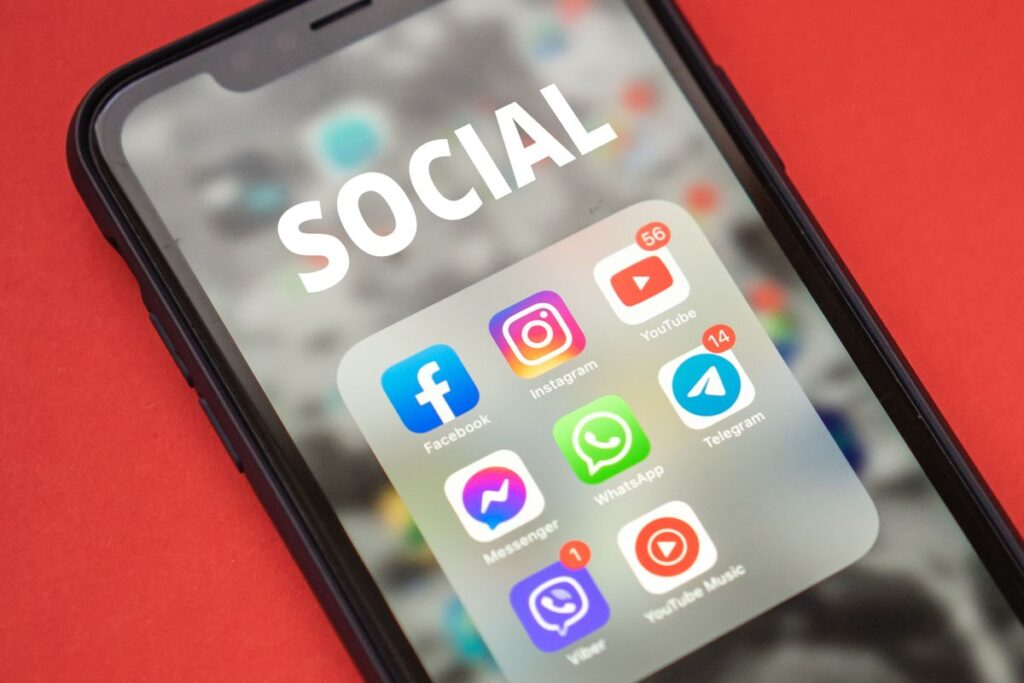
Social media and entertainment platforms are among the most advanced examples of AI everyday uses in action. In fact, platforms like Instagram, YouTube, and TikTok rely heavily on AI-driven systems to keep users engaged for longer periods. As a result, almost everything you see online is shaped by intelligent algorithms working in real time.
At the core of these platforms are powerful AI applications that analyze user behavior. For example, they track what you like, watch, share, and comment on. Based on this data, they create highly personalized feeds that feel unique to each user.
AI helps in several important ways, such as:
Moreover, streaming platforms like Netflix and Spotify use similar social media AI systems. They study your viewing or listening history and then suggest movies, shows, or songs you are most likely to enjoy. Therefore, your entertainment experience becomes highly personalized without any manual effort.
In addition, these recommendation systems are powered by engagement-focused algorithms. Their main goal is to keep users active by showing relevant and interesting content. Consequently, users spend more time on the platform, while businesses improve retention and satisfaction.
This is one of the most impactful AI everyday uses because it directly shapes what people watch, read, and listen to every day. Ultimately, AI has transformed entertainment into a highly personalized digital experience where no two users see exactly the same content.
Healthcare is one of the most powerful areas where AI everyday uses are creating real-world impact. In fact, AI is helping doctors, patients, and healthcare systems improve accuracy, speed, and overall care quality. As a result, AI benefits in this sector are both life-saving and efficiency-driven.
One of the most important healthcare AI applications is early disease detection. AI systems can analyze patient data and identify risks before symptoms become severe. Therefore, doctors can start treatment earlier, which improves recovery chances.
In addition, AI plays a major role in medical imaging. For example, it helps analyze X-rays, MRIs, and CT scans with high precision. Moreover, it can detect abnormalities faster than traditional methods, which reduces diagnosis time and improves accuracy.
Other important medical AI applications include:
Furthermore, wearable technology has made wellness tracking easier than ever. Devices like smartwatches continuously collect health data and provide real-time insights. Consequently, users can monitor their health without visiting a clinic frequently.
Fitness and wellness apps also rely heavily on AI. They analyze user behavior and generate personalized recommendations. For instance, they may suggest exercise routines based on fitness levels or dietary changes based on health goals.
Overall, these innovations highlight the strong AI benefits in healthcare. They improve diagnostic accuracy, reduce human errors, and support better patient care. Therefore, AI is not just enhancing healthcare—it is transforming how we understand and manage health in everyday life.
AI is rapidly transforming the education sector by making learning more personalized, interactive, and efficient. In fact, AI in education is now widely used across schools, colleges, and online learning platforms. As a result, both students and teachers are experiencing smarter ways of teaching and learning.
One of the biggest changes comes from smart learning tools. These tools adapt content based on a student’s performance and understanding level. Therefore, learners do not follow a fixed pace anymore—they learn at their own speed.
For example, several modern AI tutoring systems and platforms are making education more accessible:
In addition, these systems continuously analyze student progress. If a student struggles with a topic, AI provides extra practice and simpler explanations. However, if a student performs well, it increases difficulty to keep them challenged.
Moreover, AI helps teachers significantly. It reduces the time spent on repetitive tasks like grading assignments and tracking attendance. Consequently, educators can focus more on teaching quality and student engagement.
Another important benefit is accessibility. Students from different backgrounds can access personalized learning experiences anytime, anywhere. Therefore, education becomes more flexible and inclusive.
Overall, AI is making learning smarter and more efficient. It supports both students and teachers while improving overall education quality. As a result, AI in education is becoming one of the most impactful AI everyday uses in the modern digital world.
Businesses today rely heavily on artificial intelligence to improve speed, accuracy, and decision-making. In fact, AI applications have become a core part of modern operations across industries. As a result, companies are now able to work more efficiently while reducing manual effort and operational costs.
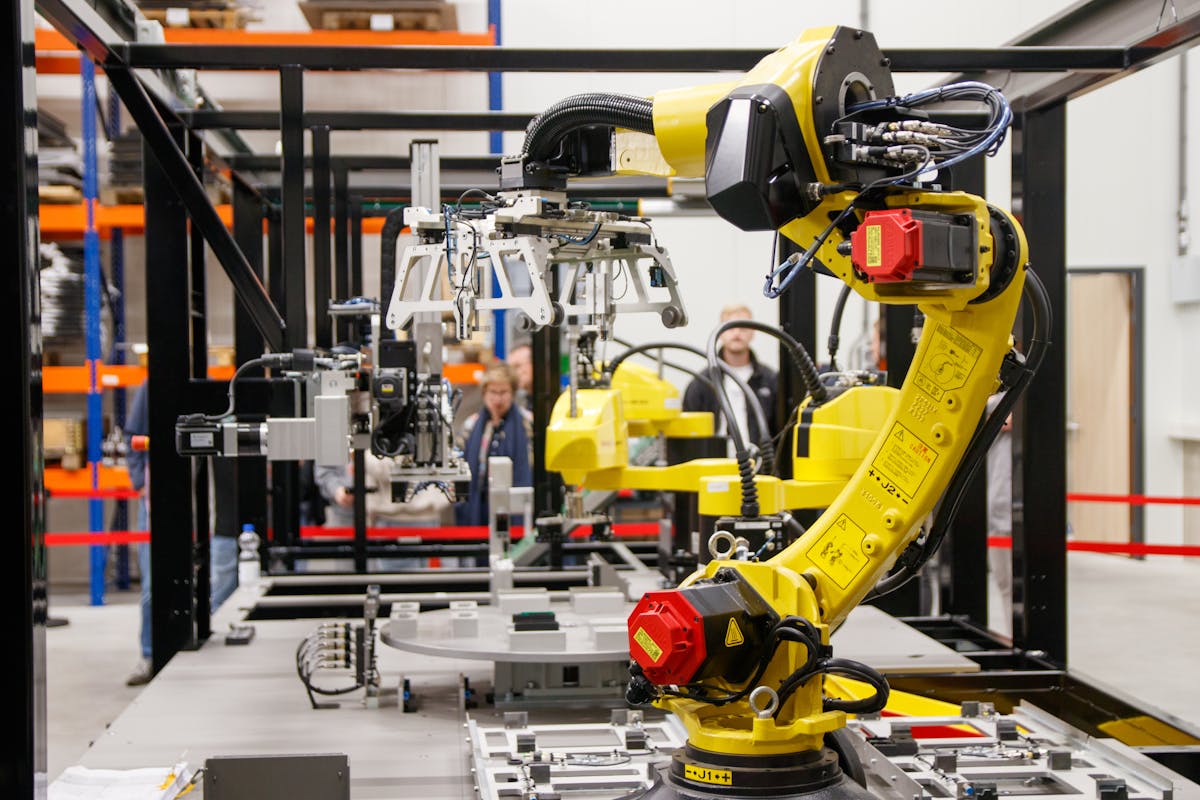
One of the biggest advantages comes from business automation. AI handles repetitive tasks that previously required human input. Therefore, teams can focus on strategic and creative work instead of routine processes.
Some of the most common uses include:
Moreover, these productivity AI tools are transforming how businesses operate daily. For example, chatbots can handle thousands of customer queries at once, improving response time and satisfaction. Similarly, analytics tools process large data sets quickly to help businesses make smarter decisions.
In addition, marketers and SEO professionals benefit greatly from AI. It assists in keyword research, content creation, competitor analysis, and campaign optimization. Therefore, tasks that once took hours can now be completed in minutes.
Furthermore, AI helps businesses understand customer behavior more deeply. It analyzes patterns, predicts buying intent, and improves targeting strategies. Consequently, companies achieve better results with less effort.
Overall, this is one of the fastest-growing areas of AI everyday uses. As businesses continue to adopt automation and intelligent systems, AI is becoming essential for growth, efficiency, and long-term success.
AI is rapidly transforming modern living spaces by making homes more intelligent, efficient, and automated. In fact, smart homes powered by AI are no longer a luxury—they are becoming a common part of daily life. As a result, AI IoT devices are improving comfort, safety, and energy efficiency in households.
One of the biggest advantages of home automation is convenience. For example, smart thermostats automatically adjust room temperature based on your preferences and daily routine. Therefore, you don’t need to manually control heating or cooling systems.
In addition, voice-controlled systems like smart speakers allow users to manage multiple devices using simple commands. You can turn on lights, play music, or check the weather without touching a switch. Moreover, these systems continuously learn user habits to improve responsiveness.
Some common home automation examples include:
Furthermore, these devices use AI to learn behavior patterns over time. For instance, they can identify when you usually arrive home and adjust lighting or temperature accordingly. Consequently, they improve both comfort and energy savings.
In addition, AI-powered security systems offer real-time monitoring and alerts. This helps homeowners stay informed and secure even when they are away.
Overall, smart home technology clearly shows how AI everyday uses are becoming deeply integrated into household environments. As a result, homes are evolving into intelligent systems that think, adapt, and respond to human needs.
The rise of artificial intelligence has brought major improvements to how we live and work. In fact, the AI benefits we experience today are directly linked to smarter systems and automation. As a result, daily tasks have become faster, easier, and more efficient across personal and professional spaces.
One of the biggest advantages of AI is faster decision-making. Since AI processes large amounts of data quickly, it helps users and businesses make informed choices in less time. Therefore, productivity naturally increases.
In addition, AI improves efficiency by automating repetitive tasks. This allows people to focus on more meaningful and creative work. Moreover, it reduces workload stress and improves overall performance.
Here are some key benefits of AI everyday uses:
Furthermore, smart tools impact is visible in almost every industry. From healthcare to business, AI tools help save time and improve accuracy. For example, automated systems handle customer queries, analyze data, and even generate reports.
In addition, AI creates highly personalized experiences. Whether it is entertainment recommendations or shopping suggestions, users receive content tailored to their preferences. Consequently, engagement and satisfaction improve significantly.
Overall, AI is making life more connected, efficient, and convenient. As a result, its everyday use is not just helpful—it is becoming essential in the modern digital world.
Despite the many AI benefits, there are still important challenges that need attention. As AI becomes more powerful and widely used, concerns around safety, fairness, and responsibility are also increasing. Therefore, understanding these issues is essential for a balanced view of AI everyday uses.
One of the biggest concerns is data privacy. Since AI systems rely on large amounts of user data, there is always a risk of sensitive information being misused or exposed. As a result, strong security measures are required to protect user trust.
In addition, job displacement is another growing concern. As automation improves, some routine tasks are being replaced by machines. However, at the same time, AI is also creating new job opportunities in tech-driven industries.
Other key AI risks include:
Moreover, ethics in AI plays a very important role here. Developers must ensure that AI systems are trained on fair and unbiased data. Otherwise, they may unintentionally reinforce existing inequalities.
In addition, responsible AI usage means creating systems that are transparent, explainable, and accountable. Therefore, companies and governments must work together to regulate AI effectively.
Overall, while AI offers powerful advantages, it also requires careful monitoring and ethical control. As a result, addressing these challenges is crucial for ensuring safe and responsible use of AI in everyday life.
The future of AI looks highly advanced, more intuitive, and deeply integrated into human life. In fact, AI trends show that technology will continue to move toward smarter automation and seamless interaction. As a result, future of AI systems will feel less like tools and more like natural extensions of daily life.
One major shift will be the rise of fully autonomous technologies. For example, self-driving vehicles are expected to become more reliable and widely used. Therefore, transportation may become safer and more efficient in the coming years.
In addition, virtual assistants will become much smarter. Instead of simple commands, they will understand context, emotions, and intent. Moreover, they will handle complex tasks such as scheduling, research, and decision support.
Some key innovations expected in smart automation future include:
Furthermore, AI applications will become more invisible in daily life. Instead of actively using AI tools, users will experience AI naturally in the background. Consequently, interactions will feel smoother and more human-like.
However, the biggest shift will be in collaboration. The next phase of AI will focus on enhancing human abilities rather than replacing them. Therefore, humans and AI will work together more closely to solve problems faster and more effectively.
Overall, the future of AI promises smarter systems, better automation, and more meaningful everyday experiences.
AI is widely used in smartphones, social media platforms, healthcare systems, online shopping, and navigation apps. For example, it powers voice assistants, recommendation engines, and spam filters. As a result, AI everyday uses are already part of most digital interactions.
AI improves daily life by automating repetitive tasks, saving time, and enhancing decision-making. In addition, it delivers personalized experiences in apps, entertainment, and services. Therefore, users get faster and more relevant results.
Most AI applications are safe when they follow strong data security practices. However, safety also depends on how companies handle user data. Therefore, ethical guidelines and transparency are very important for trust.
Smart tools are AI-powered applications designed to simplify tasks like writing, data analysis, design, communication, and automation. Moreover, they help individuals and businesses improve productivity and efficiency.
AI is not expected to fully replace humans. Instead, it will handle repetitive tasks and support decision-making. Consequently, humans can focus more on creative, strategic, and complex work.
AI is no longer just a future concept—it is already deeply integrated into our daily routines. From AI everyday uses in smartphones to advanced AI applications in healthcare, education, and business, artificial intelligence is reshaping how we live and work. As a result, tasks that once took time and effort are now completed faster and more efficiently.
Moreover, the rise of smart tools has made daily life more productive and convenient. At the same time, the overall AI benefits continue to expand across industries, improving accuracy, personalization, and decision-making.
However, it is equally important to use AI responsibly. Therefore, understanding how AI works helps you adapt better and stay prepared for the future.
If you want to stay ahead in today’s digital world, start exploring AI tools and integrate them into your daily routine. The earlier you adopt them, the more value you will gain from this powerful technology.




Excellent explanation, thanks!
Good post! We will be linking to this particularly great post on our site. Keep up the great writing