 11
11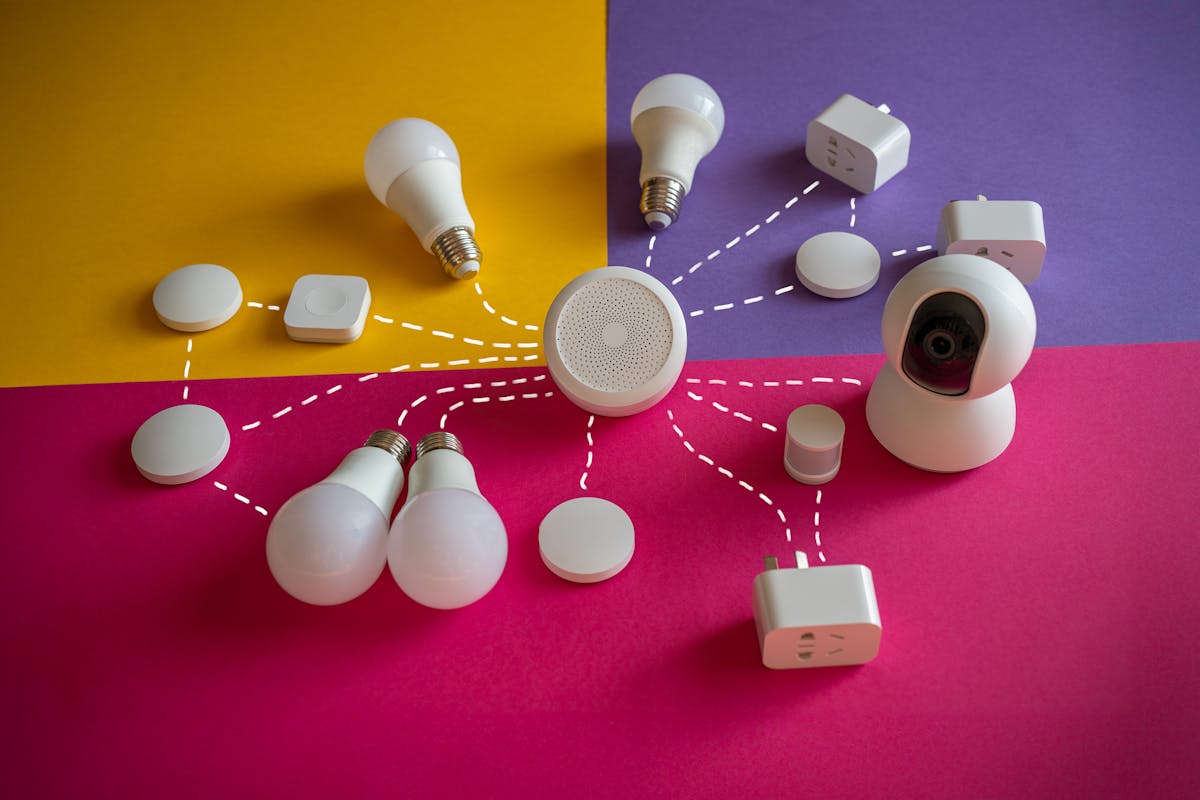
The Internet of Things (IoT) is quietly reshaping everyday life in ways most people don’t even notice. From fitness bands tracking your daily steps to smart home technology adjusting lights and security systems automatically, IoT is already deeply integrated into modern living. However, many people still ask a simple question—what exactly is IoT, and why is it becoming so important?
In this IoT guide, we will simplify everything step by step so you can easily understand how this technology works. Moreover, you will see how connected devices communicate with each other to collect and share data in real time. As a result, ordinary objects become “smart” and more efficient in their functions.
In addition, we will explore how IoT is transforming major industries such as healthcare, agriculture, transportation, and smart homes. For instance, hospitals now use connected devices to monitor patients remotely, while farmers use sensors to track soil conditions more accurately.
Furthermore, this guide will also introduce real-world IoT applications, key technologies behind the system, and the major benefits it offers. At the same time, we will also highlight challenges like security risks and privacy concerns so you get a balanced understanding.
Most importantly, this IoT guide is designed for everyone—whether you are a student, business owner, or simply curious about technology. Therefore, you don’t need any technical background to follow along. Instead, you will gain clear and practical insights in a simple way.
By the end, you will not only understand IoT better, but you will also realize how deeply it is already influencing your daily life.
The Internet of Things (IoT) refers to a network of physical objects that are connected to the internet and can collect, send, and receive data. These objects are commonly known as connected devices, and they work together to make everyday life more efficient and automated.
In simple terms, IoT turns ordinary objects into “smart” devices. For example, a regular light bulb becomes a smart bulb when it can be controlled through a mobile app or voice assistant. Similarly, a fitness band becomes smart when it tracks your steps, heart rate, and sleep patterns in real time.
Moreover, IoT works through a combination of sensors and internet connectivity. Sensors collect data from the environment, while the internet allows devices to share that data instantly. As a result, devices can respond automatically without human input.
For instance, a smart thermostat learns your temperature preferences and adjusts your home’s cooling automatically. Likewise, a smartwatch monitors your heart rate and sends updates directly to your phone. These are simple yet powerful examples of how IoT works in daily life.
In addition, the main idea behind IoT is machine-to-machine communication. In other words, devices “talk” to each other without needing constant human control. Consequently, this improves automation, saves time, and supports better decision-making.
👉 For example, your smart fridge reminding you that milk is running low is a perfect real-world use of IoT.
Therefore, understanding this IoT guide helps you see how deeply connected devices are already shaping modern living.
Understanding how IoT works becomes easy when you break it into a simple flow. In this IoT guide, the entire system can be explained in four basic steps that work together seamlessly to create smart automation.
First, sensors collect data from the environment. This data can include temperature, motion, humidity, location, or even heart rate. For example, a fitness band continuously tracks your steps and health data throughout the day.
Next, the collected data is sent through the internet using Wi-Fi, Bluetooth, or mobile networks. This step is called data transmission, and it ensures that information moves quickly from devices to processing systems.
After that, cloud systems process the data. Here, powerful servers analyze the information and decide what action should be taken. For instance, if the room is too hot, the system may decide to lower the temperature automatically.
Finally, the user receives insights or control options through apps, dashboards, or voice assistants. As a result, you can monitor or manage devices in real time from your smartphone.
For example, a smart AC collects room temperature, sends it to the cloud, and adjusts cooling automatically without manual input.
Overall, the strength of an IoT system lies in real-time communication between devices and cloud platforms. Therefore, it improves efficiency, reduces human effort, and enables smarter decision-making in everyday life.
The journey of IoT began in the late 1990s, when the early idea of connecting physical objects to digital systems first emerged. At that time, RFID (Radio Frequency Identification) played a major role by allowing simple tracking of objects using radio signals. Although it was limited, it laid the foundation for today’s smart connectivity.
However, the real growth of IoT started much later. First, widespread internet access made it easier for devices to stay connected. Then, the rise of cloud computing allowed massive amounts of data to be stored and processed efficiently. As a result, IoT systems became more powerful and scalable.
In addition, the introduction of smartphones completely changed the game. Since people could now control devices through mobile apps, adoption of smart systems increased rapidly. At the same time, cheaper sensors made it possible to integrate intelligence into everyday objects.
Therefore, IoT shifted from a basic tracking concept to a fully connected digital ecosystem. Today, in this IoT guide, we see how it powers everything from homes to industries. Over time, it has evolved into a core technology shaping modern digital transformation.
A complete IoT system is built using a few essential building blocks that work together smoothly. In this IoT guide, understanding these IoT components is important because each part plays a specific role in making devices smart and responsive.
First, sensors and actuators act as the eyes and hands of the system. Sensors collect real-time data such as temperature, motion, humidity, or light. Meanwhile, actuators perform actions based on that data, such as turning on a fan or locking a door.
Next comes connectivity, which ensures smooth data transmission between devices. Technologies like Wi-Fi, Bluetooth, and 5G help devices stay connected and share information instantly. Without this layer, IoT devices cannot communicate effectively.
After that, the cloud computing IoT system processes and stores all collected data. Powerful servers analyze information, detect patterns, and trigger automated actions when needed. As a result, devices can respond intelligently without human involvement.
Finally, the user interface allows humans to interact with the system. This can be a mobile app, web dashboard, or voice assistant. Through it, users can monitor and control connected devices in real time.
Together, these four components form the backbone of IoT. Therefore, they turn simple machines into smart systems capable of automation, efficiency, and real-time decision-making.
The IoT ecosystem is a fully connected environment where devices, software, networks, and users work together continuously. In this IoT guide, it is important to understand that IoT is not just about devices—it is about how everything communicates as a single system.
First, device-to-device communication plays a key role. Connected devices share data directly with each other or through a central system. For example, a smart watch can send health data to a phone, which then forwards it to a cloud platform for analysis.
Next, cloud platforms act as the backbone of the ecosystem. They store huge amounts of data, process it in real time, and ensure smooth coordination between different devices. As a result, users can access information anytime from anywhere.
In addition, the ecosystem includes network infrastructure such as Wi-Fi, 5G, and Bluetooth, which keeps all devices connected. Without strong connectivity, the system cannot function efficiently.
Moreover, data analytics systems help turn raw data into meaningful insights. This allows businesses and users to make smarter decisions based on real-time information.
Today, modern IoT systems also integrate AI with IoT. This combination enables predictive analysis, automation, and smarter decision-making. For example, smart homes can learn user behavior and adjust settings automatically.
Therefore, the IoT ecosystem creates a powerful connected devices network where everything works in harmony to deliver automation, intelligence, and efficiency.
The real power of IoT becomes clear when we look at its practical uses. In this IoT guide, we explore how IoT applications are transforming everyday life and entire industries through automation and smarter decision-making.
One of the most common uses is in smart home technology. Devices like smart lights, air conditioners, door locks, and security cameras improve comfort, safety, and energy efficiency. For example, you can control your home appliances using a mobile app or voice assistant, even when you are away.
In healthcare, IoT plays a life-saving role. Wearable devices such as fitness bands and smartwatches continuously monitor heart rate, oxygen levels, and sleep patterns. Moreover, they can send instant alerts to doctors or family members during emergencies, improving patient care.
Agriculture has also become smarter with IoT. Sensors placed in fields monitor soil moisture, temperature, and crop health. As a result, farmers can make better irrigation decisions and improve crop yield while reducing water waste.
In transportation, connected devices in vehicles help improve navigation, traffic management, and safety. For instance, smart cars can detect road conditions and suggest safer routes, reducing the chances of accidents.
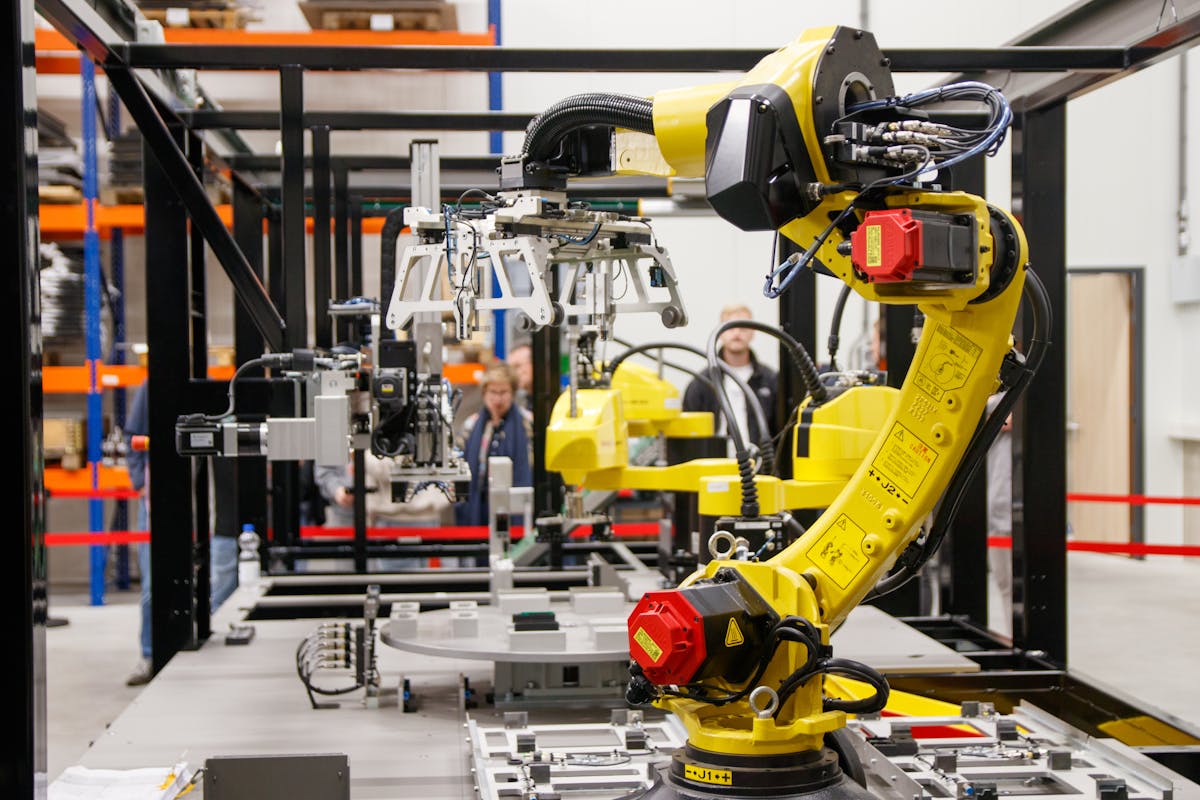
In industries, IoT is used for automation and predictive maintenance. Machines in factories send real-time performance data, helping companies detect issues early and reduce downtime.
Overall, these IoT applications show how deeply connected systems are reshaping the world. Therefore, IoT is no longer just a concept—it is a driving force behind modern innovation and efficiency.
In this IoT guide, it is important to understand both the advantages and limitations of IoT. While it brings major improvements in automation and efficiency, it also comes with certain practical challenges that businesses must consider.
One of the biggest benefits of IoT is automation. Devices can perform tasks on their own, which saves time and reduces manual effort. For example, smart systems can automatically adjust lighting or temperature without human input.
Moreover, IoT improves overall efficiency. Since devices continuously collect and analyze data, decisions become faster and more accurate. As a result, both individuals and businesses can work more productively.
In addition, IoT enhances decision-making. Real-time insights help users understand patterns and respond quickly to changes. This also leads to better planning and resource management.
Another major benefit is cost savings. Although setup may be expensive initially, automation and predictive maintenance reduce long-term operational costs.
However, IoT also has several IoT challenges. First, the initial implementation cost can be high, especially for large systems. Second, device compatibility issues often arise when different brands fail to integrate smoothly.
Furthermore, IoT systems heavily depend on internet connectivity. If the network fails, the entire system may be affected. Additionally, maintaining and updating multiple connected devices can be complex.
Therefore, while IoT offers powerful advantages, businesses must carefully balance its benefits with these challenges for successful adoption.
As connected systems grow, IoT security becomes a critical topic in this IoT guide. Since IoT devices constantly collect and share data, they also create potential risks related to privacy and cybersecurity.
One of the biggest concerns is data privacy. IoT devices often gather sensitive information such as location, health data, and daily behavior patterns. If this data is not properly protected, it can be misused or exposed without permission.
In addition, cybersecurity risks are increasing as more devices connect to the internet. Hackers may attempt to gain unauthorized access to smart devices, leading to data theft or system manipulation. For example, insecure smart cameras or home systems can become entry points for cyberattacks.
Moreover, privacy leaks can happen when data is shared without strong protection measures. This can impact both individuals and businesses, especially when sensitive information is involved.
To reduce these risks, companies use advanced security methods. These include encryption, which protects data during transmission, firewalls that block unauthorized access, and secure authentication systems like passwords and biometrics.
Therefore, ensuring connected devices safety is essential for building trust in IoT systems and protecting user information effectively.
In this IoT guide, understanding the right IoT platforms and tools is important because they make development faster, easier, and more scalable. These technologies help connect devices, manage data, and build real-world IoT solutions efficiently.
One of the most widely used cloud IoT services is AWS IoT Core, which allows devices to connect securely to the cloud and exchange data in real time. Similarly, Google Cloud IoT provides powerful data analytics and machine learning integration for smart decision-making. In addition, Microsoft Azure IoT Hub helps manage millions of connected devices with strong security and monitoring features.
Along with cloud platforms, hardware tools play a key role in IoT development. For example, Arduino is commonly used to build simple IoT prototypes because it is affordable and easy to program. On the other hand, Raspberry Pi is a more powerful mini-computer that can handle complex IoT applications, including data processing and device control.
Together, these IoT tools bridge the gap between hardware and software. As a result, developers can quickly design, test, and deploy smart systems without building everything from scratch.
Therefore, combining cloud platforms with hardware tools makes IoT development more flexible, efficient, and accessible for both beginners and professionals.
The future of IoT looks extremely promising, especially as digital technologies continue to evolve rapidly. In this IoT guide, it is clear that IoT will not just grow—it will become more intelligent, faster, and deeply integrated into everyday life.
One of the biggest IoT trends is the combination of AI + IoT. When artificial intelligence is added to IoT systems, devices become smarter at decision-making. For example, smart homes can learn user habits and adjust settings automatically without any manual input.
In addition, the expansion of 5G technology will play a major role. Since 5G offers ultra-fast speed and low latency, it will improve real-time communication between connected devices, making IoT systems more reliable and responsive.
Moreover, the development of smart cities is another major trend. Cities will use IoT to manage traffic, reduce energy waste, improve security, and enhance public services through connected infrastructure.
Furthermore, automation will continue to grow across industries. Factories, transport systems, and even healthcare services will rely more on IoT-driven automation to reduce human effort and improve efficiency.
As a result, IoT will become almost invisible in daily life, yet it will work behind the scenes everywhere. Therefore, the smart technology future will be defined by seamless connectivity, intelligent systems, and fully automated environments that make life easier and more efficient.
IoT is no longer a futuristic idea—it is already shaping how we live, work, and interact with technology every single day. From smart home technology that automates daily tasks to industrial systems that improve efficiency, IoT is building a world where devices communicate intelligently without human effort.
In this IoT guide, we explored how connected devices work, their real-world applications, key benefits, challenges, and the future potential of this rapidly growing technology. As a result, it becomes clear that IoT is not just innovation—it is transformation.
Therefore, understanding IoT today gives you a strong advantage in a fast-changing digital world. If you are interested in technology, business growth, or digital transformation, IoT is a powerful field worth exploring. Start with simple devices, observe how they work, and gradually build your knowledge. The future is connected—and IoT is leading it forward.
IoT is a system where everyday devices connect to the internet and share data. As a result, they can automate tasks and work without constant human control.
Common IoT devices include smartwatches, smart TVs, fitness trackers, smart bulbs, and security cameras. These connected devices help make daily life more convenient and efficient.
IoT is widely used in smart homes, healthcare monitoring, transportation systems, and agriculture. For example, smart home devices can control lights and temperature automatically, improving comfort and energy savings.
Yes, IoT is generally safe when proper security measures are in place. However, users should ensure strong passwords, regular updates, and encryption to reduce IoT security risks.
The future of IoT is closely linked with AI, 5G, and smart city development. Therefore, it will continue to make life more automated, connected, and efficient across industries and daily activities.